
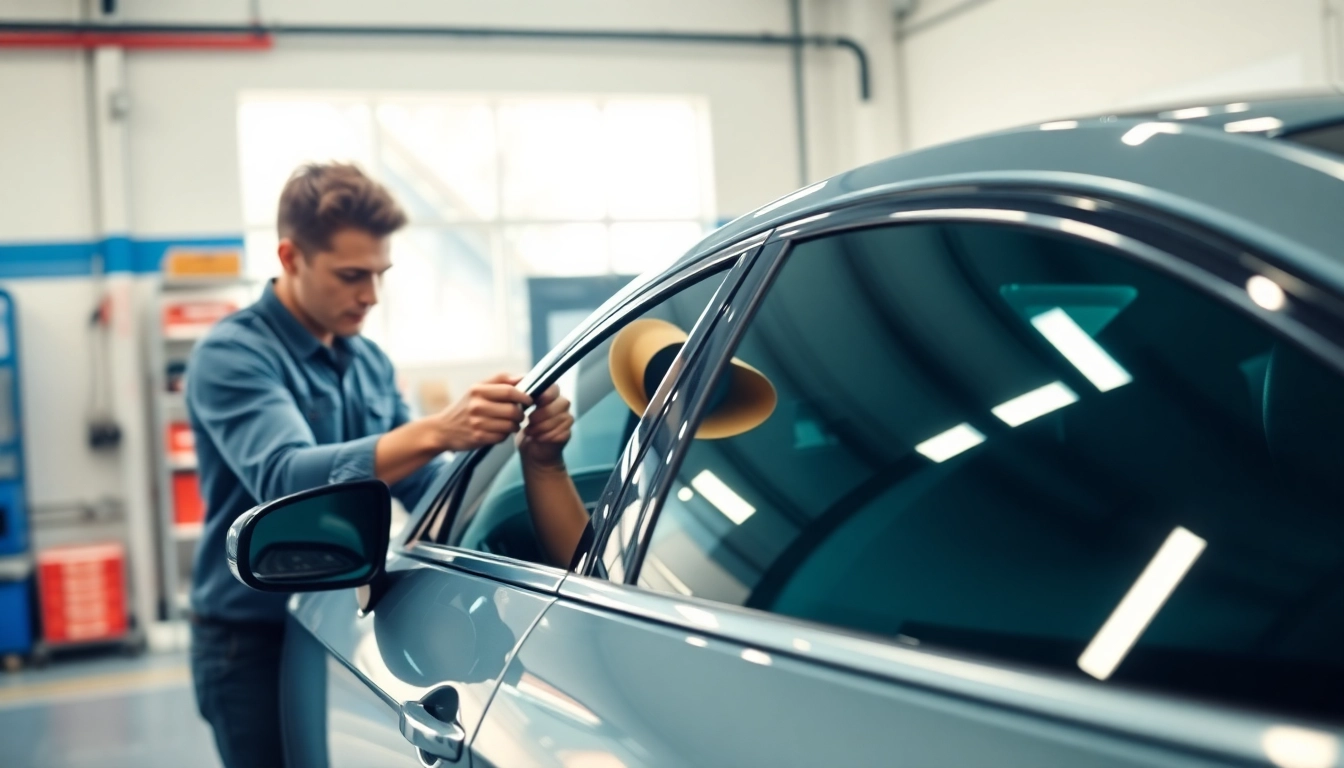
Understanding Auto Window Tint
What is Auto Window Tint?
Auto window tint is a thin film applied to the windows of vehicles, designed to control the amount of visible light that enters through the glass. This film is typically made of polyester and can come in various shades and levels of opacity. The main purpose of window tinting is to enhance privacy, reduce glare, and improve the vehicle’s aesthetic appeal. Additionally, high-quality tints provide heat and UV protection, contributing to passenger comfort and vehicle longevity.
Benefits of Auto Window Tint
The advantages of auto window tinting are manifold. Here are a few key benefits:
- Heat Reduction: Tinted windows can significantly lower the temperature inside a vehicle by blocking out太阳 radiation, thus reducing the need for air conditioning.
- UV Protection: Auto window film can block up to 99% of harmful ultraviolet rays, protecting both passengers and the car’s interior from sun damage.
- Glare Reduction: Window tint reduces glare from sunlight and headlights, improving visibility and comfort while driving.
- Privacy and Security: Tints provide enhanced privacy for occupants and discourage potential theft of valuables left in view.
- Aesthetic Appeal: Window tinting can give a car a sleek, polished look, significantly enhancing its curb appeal.
Types of Auto Window Tint Options
There are several types of window tints available, each with unique properties and purposes:
- Dyed Window Tint: This is the most common type, offering good privacy and a variety of shades, but it may not provide significant heat rejection.
- Metalized Window Tint: This type contains metal particles, enhancing durability and providing better heat and UV protection, but can interfere with electronic signals.
- Ceramic Window Tint: Ceramic films are the most advanced option. They provide excellent heat rejection without interfering with electronic devices and are more durable against scratches.
- Carbon Window Tint: This tint helps reduce heat without the metallic components, thus avoiding interference with electronics. It’s also fade-resistant.
Finding Auto Window Tint Near Me
Researching Local Providers
When searching for auto window tint near me, the first step is to research local providers. Look for businesses with a solid reputation for quality work and customer service. Use online maps and directories to find potential shops, noting their proximity to your location. Having options is essential, so list at least three to five establishments to compare.
Online Reviews and Recommendations
Online reviews are an invaluable resource when narrowing down your list of local tinting specialists. Websites like Yelp, Google Reviews, or specialized automotive forums provide insight into customer experiences. Pay attention to consistent feedback regarding service quality, professionalism, turnaround time, and aftercare support. Word-of-mouth recommendations from friends and family can also lead you to reputable providers.
Visiting Shops and Getting Estimates
After shortlisting providers, the next step is to visit these shops in person. Interacting with staff can provide a sense of their expertise and customer service standards. During your visit, ask for estimates on the tint options you’re interested in. The best shops will explain the differences between films, their benefits, and any warranties they offer. Don’t hesitate to ask about their installation procedures and the experience of their technicians.
Factors to Consider When Choosing Tint
Legal Restrictions on Window Tint
Each state has regulations concerning window tinting that dictate how dark or reflective your tint can be. Familiarize yourself with these laws to ensure compliance. Many jurisdictions have specific requirements regarding the percentage of visible light transmission (VLT) allowed. Failing to adhere to these regulations may lead to fines or the need to remove the tint.
Tint Quality and Durability
The quality and durability of the tint are paramount. Opt for high-quality films that come with a warranty. Inferior products may fade, bubble, or peel over time, ultimately leading to additional costs. Products from renowned manufacturers tend to offer better protection and aesthetics. Research brands and seek reviews from other customers to ascertain the durability of the products you are considering.
Visible Light Transmission Rates
Visible light transmission (VLT) refers to the percentage of light that passes through the window tint. For example, a 20% VLT allows 20% of light to penetrate, making it much darker than a 50% VLT. Knowing the VLT ratings that meet local guidelines is essential, as this affects visibility and legality. Consider what level of tinting you prefer while being informed about restrictions in your area.
Installation Process for Window Tint
Preparing Your Vehicle
Prior to installation, it’s crucial to prepare your vehicle properly. Clean the windows thoroughly to remove any dirt or grime, as contaminants can compromise the adhesion of the tint. It’s advisable to schedule the installation on a dry day, as moisture can interfere with the tinting process. Additionally, remove any window stickers or decals that may obstruct the tinting.
Installation Techniques
Professional window tinting involves a careful process. First, the film is measured and cut to fit each window accurately. The installer will then apply a solution to the adhesive side of the film, allowing for adjustments during placement. Using a squeegee, the installer will remove air bubbles and ensure that the film adheres firmly to the glass surface. The process usually takes a few hours, depending on the number of windows.
Post-Installation Care
After installation, you’ll need to care for your new tint correctly. Most professionals recommend refraining from rolling down the windows for at least 48 hours to allow the film to set properly. It’s also essential to keep the windows dry during this period. Regular maintenance should include gentle cleaning with non-ammonia-based solutions to prolong the life of the tint and avoid damage.
Maintaining Your Auto Window Tint
Cleaning and Care Instructions
Cleansing your tinted windows properly is key to maintaining their appearance and function. For routine cleaning, solutions specifically designed for tinted windows are ideal. Avoid alcohol-based or ammonia-based products, as these can deteriorate the film over time. Use a soft microfiber cloth to prevent scratches, and always follow the cleaner’s recommendations for the best results.
Common Issues and Solutions
Over time, issues with window tint may arise. Fading or bubbling may occur due to exposure to the sun or improper installation. If you notice any peeling edges, it’s important to address these issues promptly. In most cases, a professional can reapply the affected areas without needing a full replacement. Keeping an eye on the tint helps you maintain both aesthetics and functionality.
When to Seek Professional Help
If your tinted windows show significant wear or if you face challenges with maintenance, it’s wise to seek professional help. A qualified technician can assess the damage and determine whether repair or replacement is necessary. Additionally, if you’re considering a new film or tinting for a different vehicle, consulting a professional can provide insight into current options and technological advancements.
FAQs about Auto Window Tint
How long does window tint last?
High-quality window tint can last anywhere from 5 to 15 years, depending on material quality, maintenance, and environmental factors.
Can I install window tint myself?
While DIY kits are available, professional installation is recommended for optimal results and durability, as skilled technicians ensure a better finish.
Will window tint make my vehicle too dark?
The darkness of tint can be tailored to your preference within legal limits. Be sure to check local regulations on VLT for your state.
Is window tinting worth the cost?
Yes, window tinting offers significant benefits such as heat reduction, UV protection, and enhanced aesthetics, often justifying the initial expense over time.
Can I remove window tint myself?
While it’s possible, professional removal is advisable to avoid damage to the glass or adhesive residue. Consider consulting an expert for best results.

