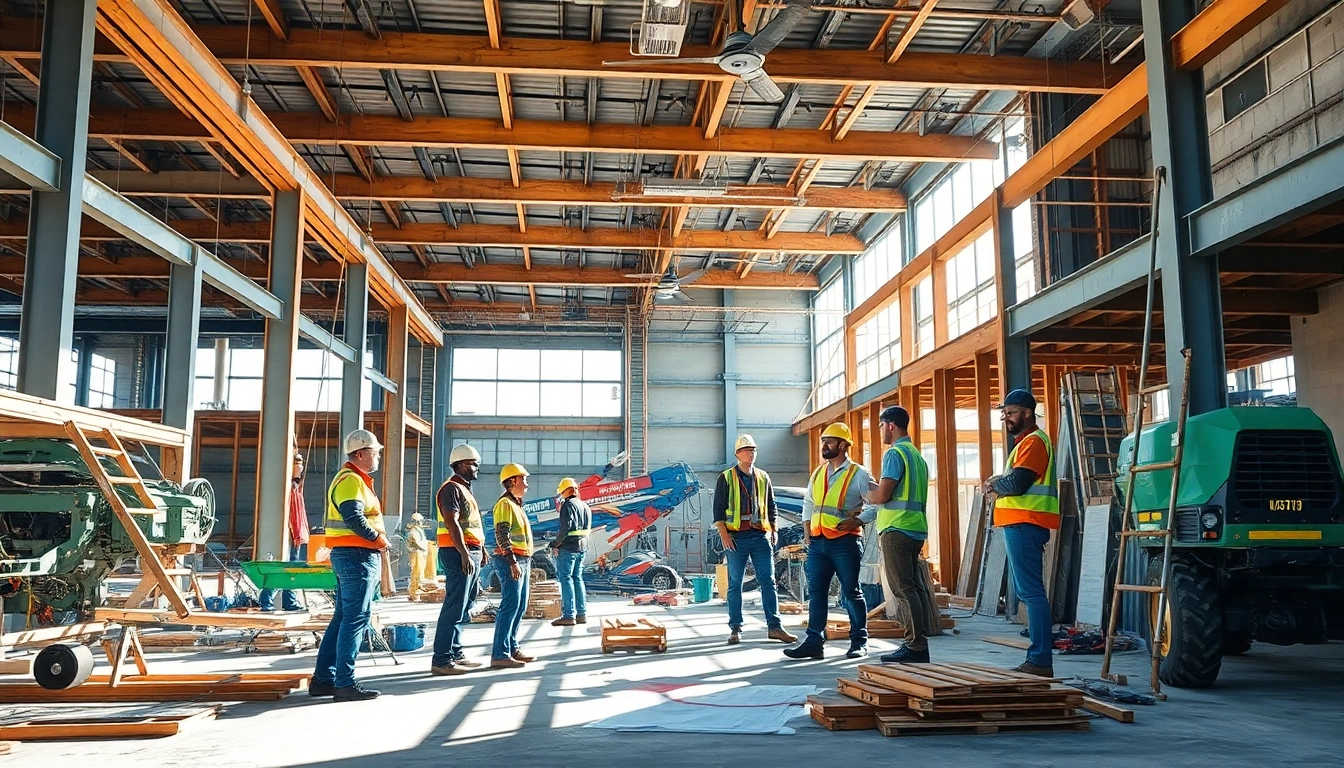


Understanding the Role of New York City Construction Manager
The role of a New York City Construction Manager is pivotal in directing construction projects from conception through completion. They coordinate various components, including scheduling, budgeting, and stakeholder communication to ensure that projects run smoothly. As the demands for infrastructure and building solutions in urban settings continue to grow, the responsibilities and expectations placed on construction managers are increasingly complex. This article delves into the essential aspects of the New York City Construction Manager’s duties, skills, and the collaborative framework they operate within.
Key Responsibilities of a New York City Construction Manager
A New York City Construction Manager wears many hats. Their primary responsibilities can be categorized into oversight, planning, and direct management. Understanding these key responsibilities is vital for both aspiring construction managers and those looking to hire them.
- Project Planning: This includes defining project scope, setting budgets, and determining timelines.
- Resource Management: Allocating labor, materials, and equipment efficiently to minimize waste and optimize productivity.
- Coordination: Working with architects, engineers, contractors, and various stakeholders to align project objectives.
- Quality Control: Ensuring that all construction work meets the specified standards and regulations.
- Safety Oversight: Implementing safety protocols to safeguard workers and compliance with safety regulations.
Essential Skills for New York City Construction Manager
To thrive in the bustling and often challenging environment of New York City construction, a Construction Manager must possess a diverse skill set. Key skills include:
- Leadership: Inspiring teams and ensuring collaboration among diverse groups.
- Problem-Solving: Addressing challenges as they arise and finding effective solutions in real-time.
- Technical Knowledge: Familiarity with construction methods, materials, and relevant technologies.
- Financial Acumen: Understanding budgets and financial forecasting to keep projects on track.
- Communication: Effectively conveying information to various parties, ensuring alignment on objectives and progress.
The Importance of Communication for New York City Construction Manager
Effective communication is the backbone of successful project management. A New York City Construction Manager must be adept at:
- Regular Updates: Keeping stakeholders informed about project status, potential issues, and changes to the timeline or budget.
- Conflict Resolution: Addressing conflicts or miscommunications promptly to maintain project momentum.
- Facilitating Meetings: Organizing and leading meetings with various stakeholders to ensure clarity and decision-making.
Planning and Executing Construction Projects
Planning and execution are critical stages in the role of the New York City Construction Manager. These stages require strategic thinking and a detailed approach to ensure that every aspect of the project is addressed.
Developing Project Timelines as a New York City Construction Manager
Creating a realistic and achievable project timeline is essential for keeping the project on track. This involves:
- Task Sequencing: Determining the order in which tasks should be completed based on dependencies.
- Milestone Setting: Identifying key milestones that signal significant achievements throughout the project.
- Time Allocation: Estimating how long each task will take and ensuring that there is adequate time for adjustments.
Budgeting Strategies for New York City Construction Manager
Budget management is crucial for project viability. Successful budgeting strategies include:
- Comprehensive Estimation: Accurately estimating costs for labor, materials, and contingencies.
- Regular Monitoring: Continuously tracking expenses against the budget to identify any discrepancies early.
- Value Engineering: Finding cost-effective alternatives without compromising quality or integrity.
Risk Management Techniques for New York City Construction Manager
Mitigating risk is a necessary skill for any New York City Construction Manager. Techniques include:
- Risk Identification: Recognizing potential risks related to construction methods, finances, and weather.
- Risk Analysis: Evaluating the likelihood and impact of identified risks to prioritize them.
- Contingency Planning: Developing plans to address risks should they materialize.
Collaboration with Contractors and Stakeholders
Collaboration plays a significant role in the success of construction projects. A New York City Construction Manager must establish and maintain strong relationships with contractors and stakeholders.
Building Relationships as a New York City Construction Manager
Building rapport is essential for a smooth workflow. Key strategies include:
- Trust-Building: Demonstrating reliability and transparency to create trust with all parties involved.
- Networking: Engaging within the industry to cultivate a strong pool of skilled professionals and resources.
- Consultative Approach: Encouraging input from contractors and stakeholders in planning and decision-making.
Negotiation Tactics for New York City Construction Manager
Negotiation is often a part of construction management, whether it’s for contracts, budgets, or timelines. Successful tactics include:
- Preparation: Researching all parties’ needs and constraints before negotiations.
- Clear Objectives: Establishing clear, achievable goals for each negotiation session.
- Win-Win Mindset: Fostering negotiations that benefit all parties, creating goodwill and fostering future collaboration.
Managing Expectations of Stakeholders as a New York City Construction Manager
Setting and managing expectations is essential for maintaining trust and satisfaction among stakeholders. This can be achieved through:
- Transparent Communication: Providing regular updates on progress and potential challenges.
- Setting Realistic Goals: Ensuring that project objectives are clearly articulated and attainable.
- Feedback Mechanisms: Establishing avenues for stakeholders to voice concerns or suggestions throughout the project lifecycle.
Compliance and Regulatory Standards
Compliance with regulations is a non-negotiable aspect of being a New York City Construction Manager. This area encompasses building codes, environmental regulations, and safety protocols.
Building Codes and Regulations for New York City Construction Manager
Familiarity with building codes is imperative. Construction Managers must ensure that their projects adhere to New York City’s rigorous standards, which include:
- Permitting: Securing all necessary permits before commencing work.
- Adherence to Zoning Laws: Following local zoning regulations that determine allowable construction practices.
- Code Updates: Staying informed about updates and changes in building codes to ensure compliance.
Environmental Considerations for New York City Construction Manager
With increasing emphasis on sustainable practices, Construction Managers must integrate environmental considerations into their projects by:
- Utilizing Eco-Friendly Materials: Choosing sustainable options that minimize environmental impact.
- Waste Management Practices: Implementing strategies to reduce waste during construction processes.
- Compliance with Environmental Regulations: Understanding and implementing regulations aimed at protecting the environment.
Safety Protocols for New York City Construction Manager
Ensuring safety in construction environments is paramount. Key protocols include:
- Safety Training: Regular training sessions to educate all personnel on safety practices and procedures.
- Personal Protective Equipment (PPE): Ensuring the right safety gear is available and used by all workers.
- Emergency Procedures: Establishing clear plans for responding to emergencies or accidents on-site.
Future Trends in Construction Management
As the construction industry evolves, so too do the trends that shape the work of New York City Construction Managers. Staying aware of these trends is crucial for ongoing success.
Technology’s Impact on the New York City Construction Manager’s Role
Technology continues to revolutionize how construction projects are managed. Key impacts include:
- Building Information Modeling (BIM): Enhancing efficiency through detailed digital models of construction plans.
- Project Management Software: Facilitating better communication, tracking, and resource management in real-time.
- Drones: Utilizing aerial surveys for progress tracking and site inspections, reducing manual labor.
Sustainable Practices in Construction Management
Sustainability is no longer just a trend, but a necessity in construction. Implementation strategies include:
- Green Building Techniques: Employing methods and materials that promote energy efficiency and sustainability.
- LEED Certification: Pursuing Leadership in Energy and Environmental Design (LEED) standards to demonstrate commitment to sustainable practices.
- Community Engagement: Involving local communities in sustainability initiatives associated with construction projects.
The Evolving Landscape for New York City Construction Manager
The construction industry in New York City is dynamic, with changing regulations, technology advancements, and market demands. Keeping pace with these changes requires:
- Continuous Education: Pursuing ongoing professional development through courses, workshops, and conferences.
- Adaptability: Remaining flexible and willing to adopt new strategies and technologies.
- Collaboration: Engaging in partnerships with other professionals to share insights and best practices.
Frequently Asked Questions
What does a New York City Construction Manager do?
A New York City Construction Manager oversees construction projects, managing budgets, timelines, and coordination among stakeholders to ensure successful project completion.
What skills are essential for a New York City Construction Manager?
Key skills include leadership, problem-solving, financial acumen, technical knowledge, and effective communication skills for interacting with diverse stakeholders.
How does a New York City Construction Manager manage project risks?
They identify risks, analyze their impact, and develop contingency plans to mitigate potential issues throughout the project’s lifecycle.
Why is communication important for a New York City Construction Manager?
Effective communication builds trust with stakeholders, helps manage expectations, facilitates collaboration, and is crucial for navigating challenges.
What trends are shaping the future of construction management in New York City?
Key trends include the integration of technology, a focus on sustainability, and adaptive practices that respond to evolving regulations and market demands.