
Home protection has advanced dramatically in recent years, yet the belief persists that strong security requires a steep financial investment. The truth is that modern Security Systems offer powerful protection at a fraction of the cost homeowners once expected. Driven by continuous innovation, competitive pricing, and smarter software, affordable Security Systems have become just as capable as premium setups, often even outperforming them in convenience, flexibility, and integration. For homeowners who want real security without overspending, the landscape has never been better. In this comprehensive guide, Deep Dive Picks breaks down what defines affordable yet reliable Security Systems, how to choose the right setup, what features actually matter, which products deliver real results, and how to avoid overpaying for unnecessary add-ons.
Affordable Security Systems serve one primary purpose: protecting your home effectively without financial strain. As manufacturers continue to refine sensors, cameras, connectivity, and user interfaces, high-performance systems have become accessible at every budget level. Understanding these systems, the technology behind them, and the real-world differences between price tiers is the key to choosing a solution that offers genuine safety, reliability, and long-term value.
- Why Affordable Security Systems Are Better Today Than Ever
- What Defines an Affordable Yet Reliable Security System?
- How Technology Keeps Costs Low Without Reducing Protection
- Key Features That Make Affordable Systems Effective
- Understanding the Hidden Costs of Security Systems
- DIY vs. Professional Monitoring in Affordable Systems
- Installation: Why Affordability Often Means Easier Setup
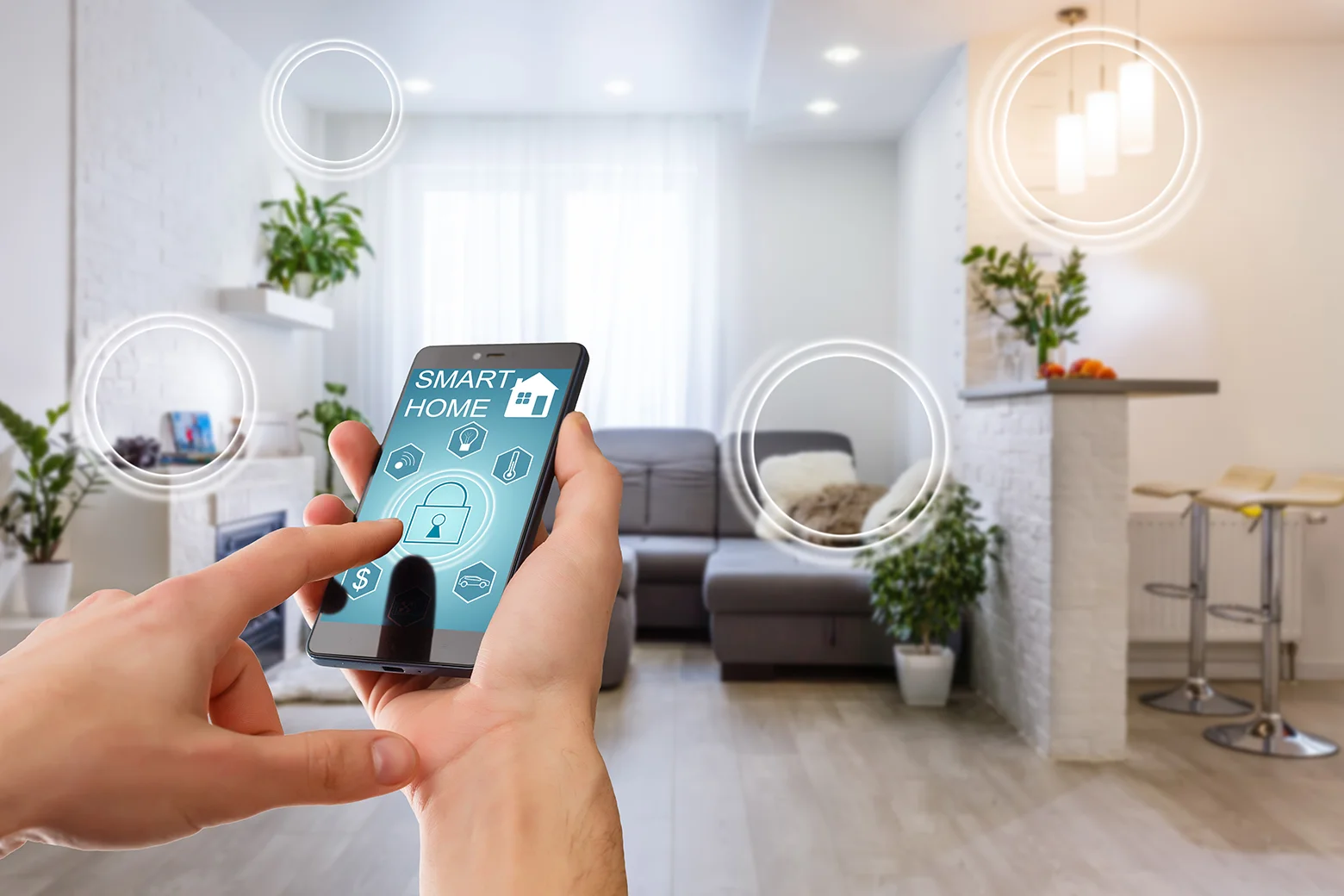
- The Role of Mobile Apps in Modern Home Security
- Cloud Storage vs. Local Storage: What’s Best for Affordability?
- Durability and Build Quality in Affordable Systems
- Privacy, Encryption, and Data Protection
- Smart Integration With Other Devices
- Scalability: Growing the System Over Time
- Real-World Performance: What Makes an Affordable System Trustworthy?
- How to Choose the Right System for Your Home
- Conclusion
- Frequently Asked Questions
- FAQs About Affordable Security Systems
Why Affordable Security Systems Are Better Today Than Ever
The modern wave of smart home innovation has transformed the world of Security Systems. Today’s systems are no longer limited to expensive professional installations with long-term contracts. Instead, they offer easy setup, intuitive apps, wireless connectivity, and intelligent automation at a much lower cost. This shift has allowed consumers to enjoy high-level protection without compromising financial comfort. Many affordable Security Systems now include features such as AI-powered motion detection, cloud-backed recording, smartphone alerts, and remote control capabilities—functionality that once required thousands of dollars. As a result, cost-conscious homeowners can enjoy the same peace of mind that premium systems offer, often with even less complexity.
Because technology continues to progress, affordability does not equal cheap build quality. Instead, it represents streamlined design, competitive manufacturing, and a growing emphasis on user-friendly home protection. For homeowners who value reliability without luxury pricing, the current generation of Security Systems provides everything needed to stay protected.
What Defines an Affordable Yet Reliable Security System?
The affordability of Security Systems depends on cost, yes, but also on long-term efficiency. A security setup is only worthwhile if it protects consistently without hidden charges or expensive maintenance. A reliable affordable system should include dependable sensors, strong connectivity, intuitive software, and durable hardware. These elements come together to create a system that remains trustworthy every day, even under demanding circumstances. Affordability is reflected in the absence of mandatory monitoring contracts, minimal installation fees, and transparent monthly or annual costs. Many of the most effective systems offer free app access, optional subscriptions, and scalable components that allow the user to gradually expand the system without replacing the initial setup.
Reliability is enhanced through stable Wi-Fi connectivity, high-quality infrared motion detection, durable weather-resistant cameras for outdoor monitoring, and battery backup solutions that ensure uninterrupted protection during power outages. When manufacturers prioritize core functionality, users benefit from a system that works consistently without requiring constant adjustments, upgrades, or repairs.
How Technology Keeps Costs Low Without Reducing Protection
The affordability of today’s Security Systems is directly tied to the technological evolution behind them. Software-based features such as AI detection reduce the need for expensive hardware components. Cloud-based video storage eliminates the need for large physical recorders. Wireless designs remove the cost of complex wiring or professional installers. Smartphone-driven monitoring replaces bulky control panels with user-friendly apps that enhance accessibility and reduce manufacturing costs.
In many cases, affordable systems use the same sensors and camera components found in high-end models; the main differences involve premium add-ons, brand prestige, or advanced automation that most households do not actually need. The more streamlined engineering approach allows manufacturers to keep pricing low while enhancing protection. These technology-enabled efficiencies help ensure that consumers receive excellent value without sacrificing the dependability expected from high-quality Security Systems.
Key Features That Make Affordable Systems Effective
A well-designed budget-friendly security setup must provide more than basic alarms. Instead, it should incorporate essential features that elevate performance without unnecessary complications. High-quality video resolution ensures clarity, especially at night when visibility is critical. Smart detection reduces false alarms by distinguishing between humans, pets, vehicles, and environmental movement. Two-way audio adds communication capabilities, allowing homeowners to respond instantly to unexpected visitors or delivery drivers. Remote monitoring keeps users connected even when away from home.
Affordable Security Systems also benefit enormously from automation features such as scheduled arming, geofencing triggers, and instant push notifications. Backup batteries guarantee continued operation during outages. Local and cloud storage options provide redundancy. Each feature contributes to a system that works consistently, delivering strong protection on limited budgets.
Understanding the Hidden Costs of Security Systems
While many Security Systems appear affordable upfront, hidden costs can quickly transform a seemingly good deal into an overpriced investment. Homeowners must examine subscription tiers that affect storage capabilities, monitoring services, and advanced features. Some brands offer free access to most tools, while others lock essential functionality behind monthly fees. Installation fees, equipment replacement, and component upgrades can also raise long-term costs if the system uses proprietary hardware.
Affordability relies on transparency. Honest pricing ensures users know exactly what they are paying for and can choose whether to expand or subscribe. Systems that offer optional plans rather than mandatory contracts provide flexibility and greater control over long-term expenses. Avoiding systems that require professional-only installation also eliminates surprise charges. Being aware of these considerations helps homeowners choose Security Systems that remain affordable without losing value over time.
DIY vs. Professional Monitoring in Affordable Systems
A major benefit of modern Security Systems is that consumers can choose between DIY and professional monitoring. For homeowners seeking affordability, DIY monitoring through a smartphone app is often sufficient. Real-time alerts allow immediate action, whether calling authorities, checking a camera, or using a smart device to deter intruders. This option eliminates monthly fees while still delivering strong protection.
Professional monitoring offers enhanced security, as trained agents respond when alerts are triggered. Many affordable systems now offer professional monitoring at significantly lower costs than traditional alarm companies. Users can pay monthly or annually without signing multi-year contracts. Choosing between DIY and professional monitoring depends on personal preferences, but both can be inexpensive and effective when supported by reliable Security Systems.
Installation: Why Affordability Often Means Easier Setup
Affordable Security Systems are designed for simplicity, allowing homeowners to install them without professional assistance. Wireless components remove the need for drilling, wiring, or specialized tools. Quick adhesive mounts and app-guided setup processes transform installation from a major project into a manageable task. Even homeowners with no technical background can complete installation in under an hour.
This simplicity is part of what keeps cost low. Since labor fees are eliminated, more of the budget goes directly toward hardware quality and software functionality. Many affordable systems also allow gradual expansion, meaning users can start with basic components and add cameras, door sensors, or environmental detectors later. Flexibility in installation and expansion ensures the system remains budget-friendly and adaptable to a changing household.
The Role of Mobile Apps in Modern Home Security
Smartphone apps are the heart of today’s Security Systems, delivering instant access to monitoring, alerts, and recorded footage. For affordability, apps reduce the need for costly control panels or subscription-based monitoring. The best security apps provide encrypted video streaming, AI-based notifications, detailed event logs, and customizable automation settings. Mobile access empowers homeowners to stay aware regardless of distance, which is essential for travel, work, and everyday peace of mind.
Apps also streamline troubleshooting, allowing firmware updates, diagnostic checks, and new device pairings directly from the phone. As app functionality improves, users receive continual enhancements without additional fees. These improvements ensure that affordable Security Systems remain secure and up-to-date long after installation.
Cloud Storage vs. Local Storage: What’s Best for Affordability?
Both cloud and local storage require careful consideration when selecting Security Systems on a budget. Cloud storage offers convenient access from anywhere, often through scalable subscriptions. Many brands provide limited free cloud storage, while paid plans offer expanded history and video quality. Local storage, typically through SD cards or hub-based drives, eliminates monthly fees but limits remote access.
Choosing between the two depends on user preference. Budget-conscious homeowners may prefer local storage to avoid ongoing costs, while others prioritize remote access and extended video history through affordable cloud plans. The ideal system offers both options, allowing users to adjust based on changing needs.
Durability and Build Quality in Affordable Systems
Affordability should never compromise durability. High-quality Security Systems include weather-resistant outdoor cameras, rugged motion sensors, and sealed casing to protect against dust and temperature fluctuations. Many reputable brands prioritize long-term hardware reliability, ensuring the system remains effective for years. Build quality also affects performance during storms, cold weather, or high heat, making durable construction essential for dependable outdoor protection.
Indoor components also benefit from quality materials, ensuring stable wireless connections, long-lasting batteries, and consistent sensor accuracy. A well-built system reduces the risk of failure and minimizes the need for replacement parts, further supporting affordability.
Privacy, Encryption, and Data Protection
Modern Security Systems must protect not only physical spaces but also digital data. Affordable systems now include high-level encryption, secure account authentication, and privacy controls that ensure footage remains accessible only to authorized users. Features such as two-factor authentication, local-only modes, and encrypted cloud storage demonstrate how even budget-friendly systems prioritize cybersecurity.
Privacy-focused design prevents unauthorized access, hacking attempts, or data leaks. Manufacturers that invest in strong digital security contribute to greater long-term reliability and provide peace of mind for homeowners who value both physical and digital protection.
Smart Integration With Other Devices
Affordable Security Systems increasingly integrate with smart home platforms such as Google Assistant and Alexa. These integrations provide hands-free control, routine automation, and improved convenience. Voice assistants can arm or disarm systems, display camera feeds, or notify users of important events. Integration also enhances energy efficiency and connectivity across household devices, enabling a more cohesive smart home ecosystem.
Integration does not require expensive hardware. Many low-cost systems support popular smart platforms because they rely on cloud-based compatibility rather than premium proprietary software. This ensures widespread accessibility for users who want advanced functionality without additional cost.
Scalability: Growing the System Over Time
Scalable Security Systems allow homeowners to begin with essential components and expand as needed. This flexibility is invaluable for budgeting and long-term planning. A system that supports additional sensors, cameras, locks, and detectors ensures the user does not outgrow the initial setup. It also allows gradual investment rather than a large upfront purchase. Scalability ensures the system remains relevant even if the home changes through renovations, expansions, or lifestyle adjustments.
Real-World Performance: What Makes an Affordable System Trustworthy?
A trustworthy affordable system must perform consistently under various conditions. Clear night vision, responsive motion sensors, accurate notifications, and fast live streaming all contribute to real-world effectiveness. A system that works flawlessly during both routine and unexpected events earns its place as a valuable investment. Affordability does not diminish the need for strong performance; instead, it highlights the importance of careful engineering and reliable software.
Weather resilience, battery longevity, and app stability all influence reliability. Systems that maintain performance despite storms, low temperatures, or network disruptions prove their worth through real-world dependability. Strong performance builds confidence and reinforces the idea that affordable Security Systems can indeed match high-end competitors.
How to Choose the Right System for Your Home
Choosing the right system involves evaluating home layout, entry points, potential vulnerabilities, and personal preferences. An apartment may require minimal components, while a larger property may benefit from multiple cameras and sensors. Understanding household habits also helps determine the best monitoring settings and automation routines. Homeowners should consider whether they prefer professional or DIY monitoring, local or cloud storage, indoor-only or indoor-outdoor coverage, and whether smart home integration is important.
Affordability is optimized when the system aligns perfectly with household needs rather than relying on unnecessary equipment. Choosing a system tailored to the home ensures efficiency and maximizes value.
Conclusion
Affordable Security Systems have evolved into powerful, reliable, and accessible home protection solutions. Through advanced technology, intuitive design, and cost-efficient engineering, today’s systems offer exceptional performance without high prices. Homeowners can enjoy strong security, intelligent automation, remote monitoring, and durable hardware at a budget-friendly cost. As innovation continues, affordability and capability will only improve, giving users more confidence in their ability to protect their homes without financial strain. By understanding key features, long-term considerations, and real-world performance, any homeowner can select a system that truly works. For further information, please visit our main page.
Frequently Asked Questions
FAQs About Affordable Security Systems
What makes affordable Security Systems trustworthy?
Affordable Security Systems are trustworthy because they use high-quality sensors, durable components, and advanced software that ensures consistent performance. The affordability does not compromise reliability, as manufacturers streamline features to focus on core protection.
Do affordable Security Systems require monthly fees?
Not all affordable Security Systems require monthly fees. Many offer free app access, local storage, and optional subscription services. Users can choose whether to pay for cloud storage or professional monitoring based on preference and budget.
Can affordable Security Systems work without Wi-Fi?
Most affordable Security Systems rely on Wi-Fi for remote monitoring and notifications, but some components, such as local alarms or offline storage, may still function during internet outages. Systems with cellular backup offer additional reliability but may increase costs.
Are DIY-installed Security Systems as effective as professional ones?
DIY-installed Security Systems can be just as effective as professional systems, especially when placed strategically and configured properly. Modern devices are designed for easy setup while maintaining the same level of detection and monitoring accuracy.
How long do affordable Security Systems typically last?
Affordable Security Systems typically last several years, with many components designed to withstand extensive wear and environmental exposure. Proper maintenance, strong network connectivity, and quality hardware ensure a long lifespan.
