Understanding the Austin Construction Landscape
Austin, Texas, a vibrant city known for its music, culture, and tech scene, is experiencing a significant construction boom. With rapid population growth, an influx of businesses, and the demand for new residential and commercial properties, the Austin construction landscape is evolving rapidly. This development not only reflects the city's dynamic economy but also showcases the challenges and innovations shaping the construction industry today.
Current Trends in Austin Construction
The construction industry in Austin has seen several key trends emerge in recent years. One of the foremost trends is the shift towards mixed-use developments. These projects combine residential, commercial, and recreational spaces into singular locations, encouraging community-building and reducing reliance on cars. As urban dwellers seek convenience, mixed-use developments are growing in popularity, with developers responding to this need by creating neighborhoods that facilitate walkability and social interaction.
Additionally, developers and architects are increasingly embracing sustainable building practices. LEED-certified projects are becoming the norm as residents and investors alike prioritize environmental considerations. Renewable energy sources, such as solar panels and energy-efficient appliances, are being integrated into building designs to improve energy performance and reduce overall operational costs.
Regulatory Challenges and Solutions
Despite the burgeoning construction market in Austin, developers face significant regulatory hurdles. Zoning laws, building codes, and approval timelines can complicate and delay projects. Austin's fast-growing population has necessitated a re-evaluation of existing zoning regulations, leading to stricter controls to ensure feasible development without compromising community standards.
To navigate these challenges, it is crucial for construction professionals to engage with local government and planning agencies early in the development process. Building relationships with city planners and understanding the regulatory landscape can facilitate smoother project approvals. Moreover, employing consultants who specialize in navigating these regulations can help mitigate delays and streamline the approval process.
The Role of Technology in Local Projects
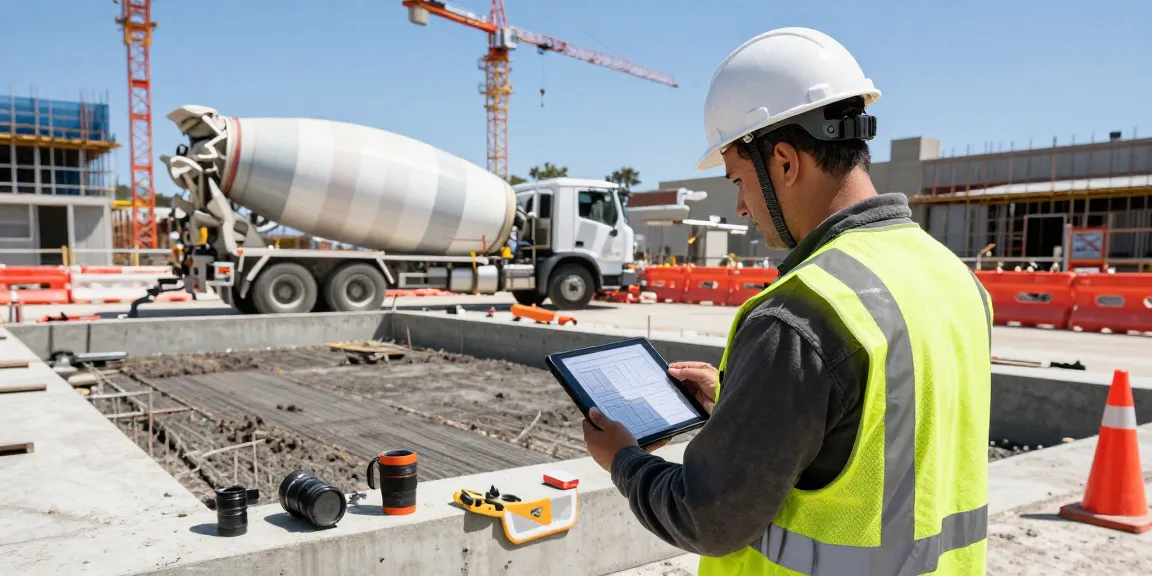
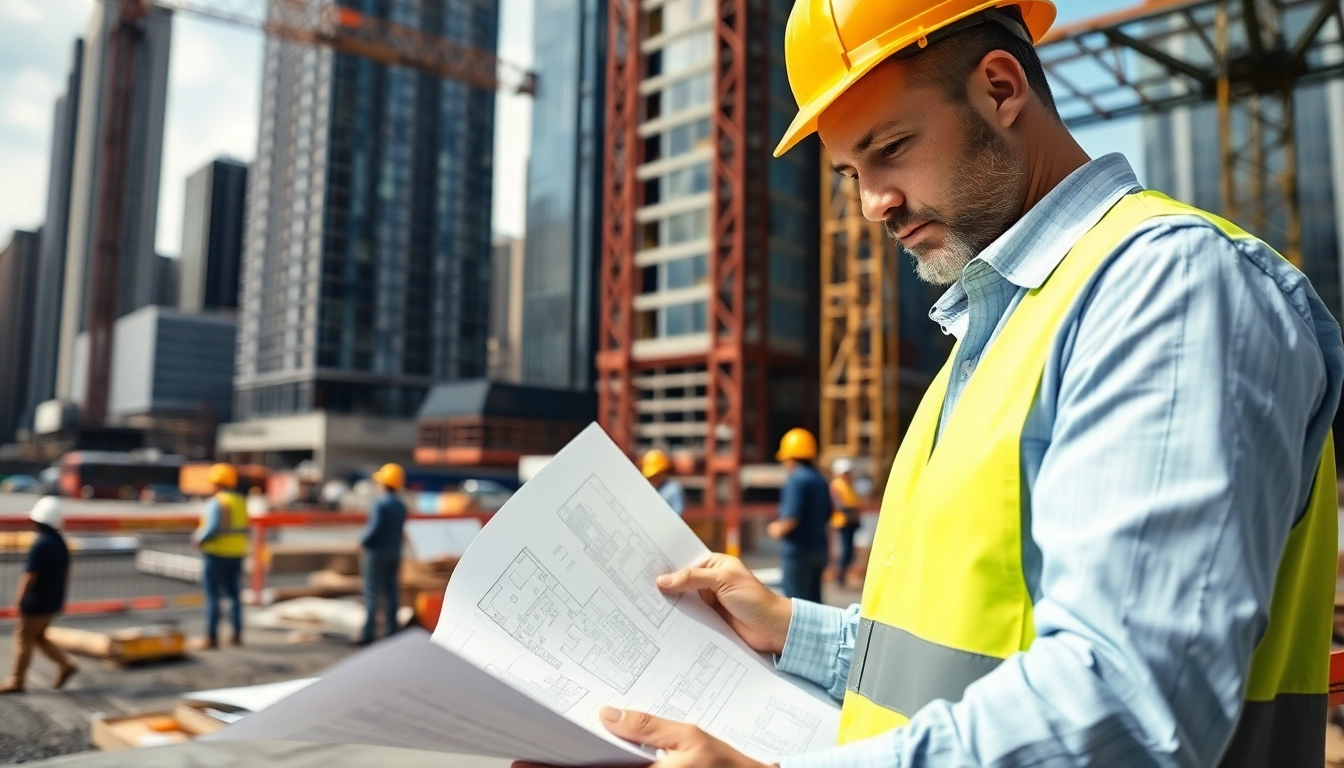
Technology is transforming the Austin construction landscape in meaningful ways. Advanced building information modeling (BIM) allows for improved visualization and pre-construction planning, resulting in fewer errors during the construction phase. Drones are being utilized for site surveying, providing real-time data and aerial imagery that enhance project planning and management.
Moreover, the adoption of construction management software has become instrumental in enhancing communication and project tracking, allowing for better collaboration among contractors, sub-contractors, and stakeholders. This digital transformation not only streamlines processes but also enables more accurate project cost estimation and resource allocation.
Essential Planning and Pre-Construction Steps
Defining Project Goals and Budgets
Before any construction work begins, it’s essential to establish clear project goals and realistic budgets. In defining project objectives, stakeholders should consider the end-use of the building, target demographics, market positioning, and environmental impacts. Setting these parameters upfront can help streamline decision-making throughout the construction process.
Buckling down on a detailed budget involves identifying all potential costs, including materials, labor, permits, and additional expenses that may arise. Engaging a financial expert or an experienced construction manager during this phase can help ensure that the budget is comprehensive and accounts for contingencies.
Choosing the Right Contractors and Suppliers
A successful project hinges on the selection of competent contractors and suppliers. Evaluating potential contractors should extend beyond simply comparing bids. It's vital to assess their track records, previous projects, and industry reputation. Requesting references and scrutinizing client feedback can provide insights into a contractor's reliability and work quality.
Additionally, aligning with suppliers who prioritize quality materials at competitive prices can affect project outcomes dramatically, impacting not just the construction process but also long-term building performance.
Creating a Timeline for Success
Constructing a detailed timeline is crucial for keeping projects on track. Project managers should break down major milestones, accounting for variables such as permitting delays, supplier lead times, and weather conditions. Gantt charts or construction scheduling software can help visualize tasks and timelines, making it easier to stay organized.
Regularly communicating the timeline with all stakeholders ensures transparency and aids in setting realistic expectations, allowing for the identification of potential delays early and implementing corrective actions swiftly.
Best Practices for Sustainable Austin Construction
Incorporating Eco-Friendly Materials
Sustainable construction has transitioned from a niche concern to a foundational principle in the Austin construction industry. One of the most impactful practices is the integration of eco-friendly materials. From recycled steel to bamboo, various sustainable materials can significantly lower a building's carbon footprint.
Moreover, local sourcing not only minimizes transportation emissions but also supports the regional economy. Using materials that are sustainably harvested or manufactured can enhance the building's sustainability profile while meeting increasing consumer demand for environmentally responsible construction.
Energy Efficiency in Building Design
Energy efficiency is another cornerstone of sustainable construction. Architectural design should prioritize natural lighting and ventilation to reduce energy consumption. Installing energy-efficient windows and adequate insulation can help maintain comfortable indoor environments while lowering energy needs.
Incorporating renewable energy sources, such as solar panels, is also vital. Austin's abundant sunshine presents an excellent opportunity to invest in solar technologies, contributing to energy independence and long-term savings on utility bills.
Managing Waste During Construction
Waste management is a critical component of sustainable construction practices. Implementing a robust waste management plan that includes recycling and reusing materials can significantly reduce landfill contributions. Many contractors are now incorporating waste audits to identify reduction and diversion strategies at the onset of projects.
Encouraging crews to adhere to waste management guidelines and install on-site recycling bins can help cultivate a culture of sustainability throughout the construction process. Evaluating waste management strategies regularly can ensure that projects remain aligned with sustainability goals.
Evaluating and Enhancing Construction Performance
Key Performance Indicators for Contractors
Performance measurement is vital to enhancing construction outcomes. Contractors should define and monitor Key Performance Indicators (KPIs) such as project timelines, budget adherence, safety incidents, and quality control metrics. Regularly evaluating KPI performance can uncover areas of improvement and structure informed decision-making processes.
For instance, tracking safety incident rates can lead to changes in training protocols or introduce new safety measures, thereby improving overall site safety and reducing injury rates.
Regular Site Assessments and Adjustments
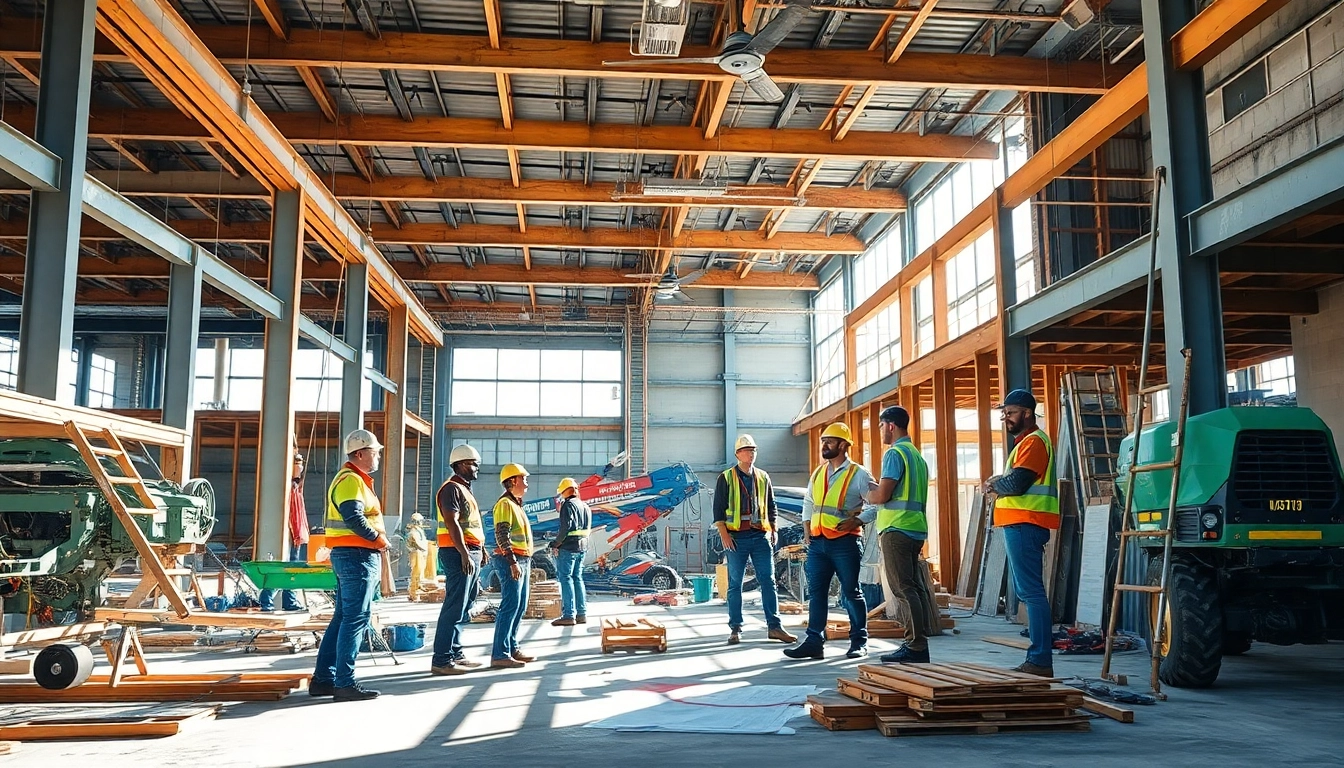
Site assessments allow team leaders to ensure that all project components are being executed correctly and safely. Regularly scheduled site assessments can include safety inspections, project progress reviews, and quality control checks. These assessments provide opportunities to adjust project tactics as necessary to avoid costly delays and ensure quality output.
To foster an environment focused on continuous improvement, conducting post-assessment discussions with the crew can uncover insights and encourage feedback that could bear on future projects.
The Impact of Client Feedback on Future Projects
Client satisfaction should be a major priority for contractors. Engaging clients early and often throughout the project can provide meaningful insights that can improve the current build and future projects. Gathering client feedback post-project can reveal potential issues and highlight positive aspects that should be continued in subsequent work.
Surveys and interviews are practical tools for collecting feedback. Understanding client needs and pain points can lead to fostering strong relationships and enhance project delivery strategies.
Future of Austin Construction: What Lies Ahead?
Emerging Innovations and Techniques
The Austin construction industry is on the brink of widespread transformation driven by emerging innovations. Technologies such as modular construction and 3D printing are beginning to shape building methodologies, allowing for faster builds and reducing costs. Modular construction involves prefabricating building sections off-site, which not only cuts down labor costs but also reduces site waste and disturbance.
As Austin embraces these advanced technologies, construction firms will need to adapt project management strategies to optimize the integration of these methods into traditional workflows.
Impact of Urbanization on Construction Practices
Rapid urbanization in Austin is drastically impacting construction practices. As demand intensifies, developers are tasked with maximizing usable space while adhering to evolving zoning laws. This situation has led to innovative high-rise designs and a renewed interest in urban density solutions such as micro-apartments and affordable housing options to accommodate growing populations.
Understanding how urbanization impacts societal needs can help construction professionals design spaces that are apt for the future demographics of the area.
Preparing for Market Changes and Challenges
Market fluctuations and economic conditions can present challenges to the Austin construction industry. As interest rates rise or fall, budgeting and financing considerations become paramount. Construction firms should remain agile, equipped to pivot in response to these growing challenges. Implementing agile project management and maintaining open lines of communication with stakeholders can enable companies to adapt quickly.
Additionally, ongoing education and training on emerging industry trends can improve project viability as the market evolves, ensuring that construction professionals remain ahead of the curve.