Understanding Custom Steel Fabrication
Custom steel fabrication is a crucial element in the manufacturing and construction industries, offering tailored solutions to meet diverse project needs. Whether you're looking to create a unique structural component or intricate machinery parts, understanding the fundamentals of custom steel fabrication can greatly enhance your project's success. This article delves into the various aspects of custom steel fabrication, exploring its definition, applications, benefits, key processes, and future trends.
What is Custom Steel Fabrication?
Custom steel fabrication refers to the process of cutting, bending, and assembling steel to create specific shapes and structures tailored to the needs of a project. Unlike standard steel products, custom fabrication uses raw materials and specialized techniques to produce components that meet unique specifications. This process can involve various techniques, including laser cutting, CNC machining, welding, and more, allowing for a high degree of customization in both design and functionality.
Applications and Industries Utilizing Custom Steel Fabrication
Custom steel fabrication serves an extensive array of industries, each requiring specialized components. Common applications include:
- Construction: Steel beams, columns, and structural frames that provide support and stability.
- Aerospace: Specialized components that meet strict regulation and performance standards.
- Automotive: Custom chassis, brackets, and structural components enhancing vehicle performance and safety.
- Manufacturing: Parts for machinery and production equipment, tailored for specific roles.
- Marine: Components for shipbuilding and offshore structures that endure harsh environments.
Benefits of Choosing Custom Steel Fabrication Services
Opting for custom steel fabrication can significantly benefit your project, providing advantages such as:
- Tailored Solutions: Each project can harness unique materials and designs to meet precise specifications.
- Increased Efficiency: Custom components can enhance assembly and reduce wasted materials.
- Quality Assurance: Increased focus on quality control leads to durable products that withstand the test of time.
- Cost-Effectiveness: Though initial investments may seem high, minimizing waste and enhancing efficiency can lead to reduced overall costs.
Key Processes in Custom Steel Fabrication
Cuts and Shapes: Transforming Steel to Meet Your Needs
The initial phase of custom steel fabrication involves cutting raw steel into the desired shapes. This can be executed through various methods:
- Plasma Cutting: Uses a high-velocity jet of ionized gas for precision cuts.
- Laser Cutting: Employs a focused beam of light to cut intricate designs with high accuracy.
- Waterjet Cutting: Utilizes high-pressure water to cut materials, ideal for intricate shapes without thermal distortion.
Welding Techniques for Strong and Durable Connections
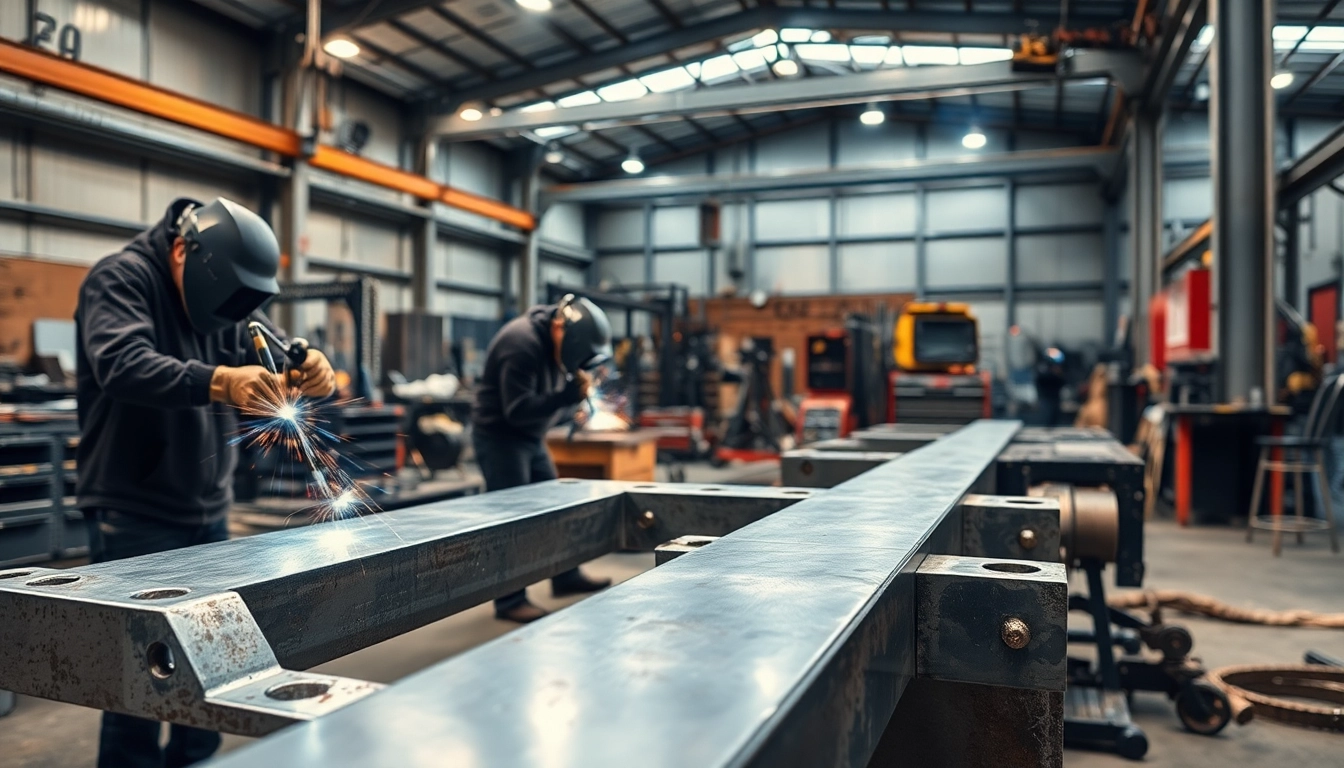
Welding is a fundamental process in custom steel fabrication, ensuring that different steel components are fused together securely. Various welding techniques include:
- MIG Welding (Metal Inert Gas): Ideal for thicker materials and more extensive projects, offering versatility and speed.
- TIG Welding (Tungsten Inert Gas): Provides more control for detailed and precise welding, suitable for thinner materials.
- Stick Welding (SMAW): A fundamental method well-suited for outdoor environments and heavy-duty applications.
Assembly Methods that Ensure Quality and Precision
Once the cutting and welding processes are complete, the method of assembly is critical in ensuring the integrity of the final product. Techniques and best practices include:
- Mechanical Assembly: Using bolts, screws, or rivets to securely hold parts together.
- Portable Welding: Essential for on-site assembly and projects requiring adjustments in situ.
- Sub-assembly Techniques: Allowing workers to build smaller sections of a project, which can then be assembled into the final structure.
Choosing a Custom Steel Fabrication Partner
What to Look for in a Fabrication Company
Choosing the right partner for custom steel fabrication is critical for ensuring quality and efficiency. Key factors to consider include:
- Reputation: Research the company’s background, customer reviews, and case studies.
- Certifications: Ensure they comply with industry standards and quality certifications like ISO 9001.
- Technology: Assess their capabilities in advanced fabrication technologies and tools.
Assessing Experience and Expertise in Custom Fabrication
Experience in custom steel fabrication can greatly influence the outcome of your project. Consider the following:
- Industry Specialization: A company with experience in your industry will likely understand specific challenges better.
- Project Portfolio: Review past projects to evaluate the company’s capabilities and design aesthetic.
- Staff Qualifications: A skilled workforce is essential for high-quality results; inquire about staff training and expertise.
Understanding Pricing and Project Timelines
Pricing for custom steel fabrication can vary significantly based on factors such as project complexity, materials used, and labor. To understand pricing better:
- Request Detailed Quotes: Ensure quotes break down labor, materials, and overhead for transparency.
- Compare Timelines: Discuss project timelines upfront to set realistic expectations and avoid delays.
- Consider Long-Term Value: While cheaper options may be tempting, prioritize quality and durability to ensure long-term benefits.
Best Practices in Custom Steel Fabrication
Optimizing Designs for Manufacturability
Design plays a critical role in streamlining the fabrication process. Best practices include:
- Simplicity: Keeping designs straightforward can simplify the cutting, welding, and assembly phases.
- Material Selection: Choose materials that are easier to work with while meeting strength and durability requirements.
- Prototyping: Developing prototypes can help identify potential issues before full-scale production begins.
Quality Control Measures in the Fabrication Process
Ensuring quality throughout the fabrication process is paramount for producing reliable steel structures. Implementing robust quality control measures involves:
- Inspection Protocols: Establish a series of inspections at different stages of the fabrication process.
- Documentation: Maintain comprehensive records of materials and processes used for accountability.
- Feedback Loops: Create a system for feedback from technicians and clients to continuously improve processes.
Implementing Sustainable Practices in Steel Fabrication
The steel industry is gradually shifting towards sustainable practices. Strategies to consider include:
- Recycling: Use recycled materials whenever possible to minimize environmental impact.
- Energy Efficiency: Implement energy-efficient processes and machinery to reduce overall energy consumption.
- Waste Management: Develop a waste management plan to minimize scrap and byproduct waste.
Future Trends in Custom Steel Fabrication
Innovations in Technology Impacting Fabrication Processes
The landscape of custom steel fabrication is rapidly evolving due to technological advancements. Innovations such as:
- 3D Printing: Has begun to revolutionize how components are designed and manufactured, allowing for unprecedented customization.
- Advanced Software: Techniques like computer-aided design (CAD) and computer-aided manufacturing (CAM) streamline design and fabrication.
- IoT Integration: Smart technologies improve monitoring, logistics, and operational efficiencies.
The Role of Automation in Custom Steel Fabrication
Automation is becoming increasingly prominent in custom steel fabrication, offering efficiency and accuracy. Key roles include:
- Robotic Welding: Enhances precision and repeatability, particularly in high-volume production environments.
- Automated Cutting: Machine automation reduces human error and speeds up the cutting process.
- Inventory Management Systems: Utilize software to efficiently manage materials and track project components.
Emerging Materials and Their Applications in Fabrication
As industries evolve, so do the materials used in fabrication, including:
- High-Strength Steels: Offer enhanced durability and reduced weight, optimizing performance in various applications.
- Alloy Composites: Combine metal with other materials for specialized properties such as corrosion resistance.
- Smart Materials: Materials that can adapt to environmental changes may lead to innovative designs in construction.
In summary, the world of custom steel fabrication is vast, offering unique solutions tailored to specific needs across various industries. Understanding its processes, benefits, and future trends empowers businesses to make informed decisions and successfully navigate their project requirements.