Understanding Hardscapes: The Basics
What Are Hardscapes?
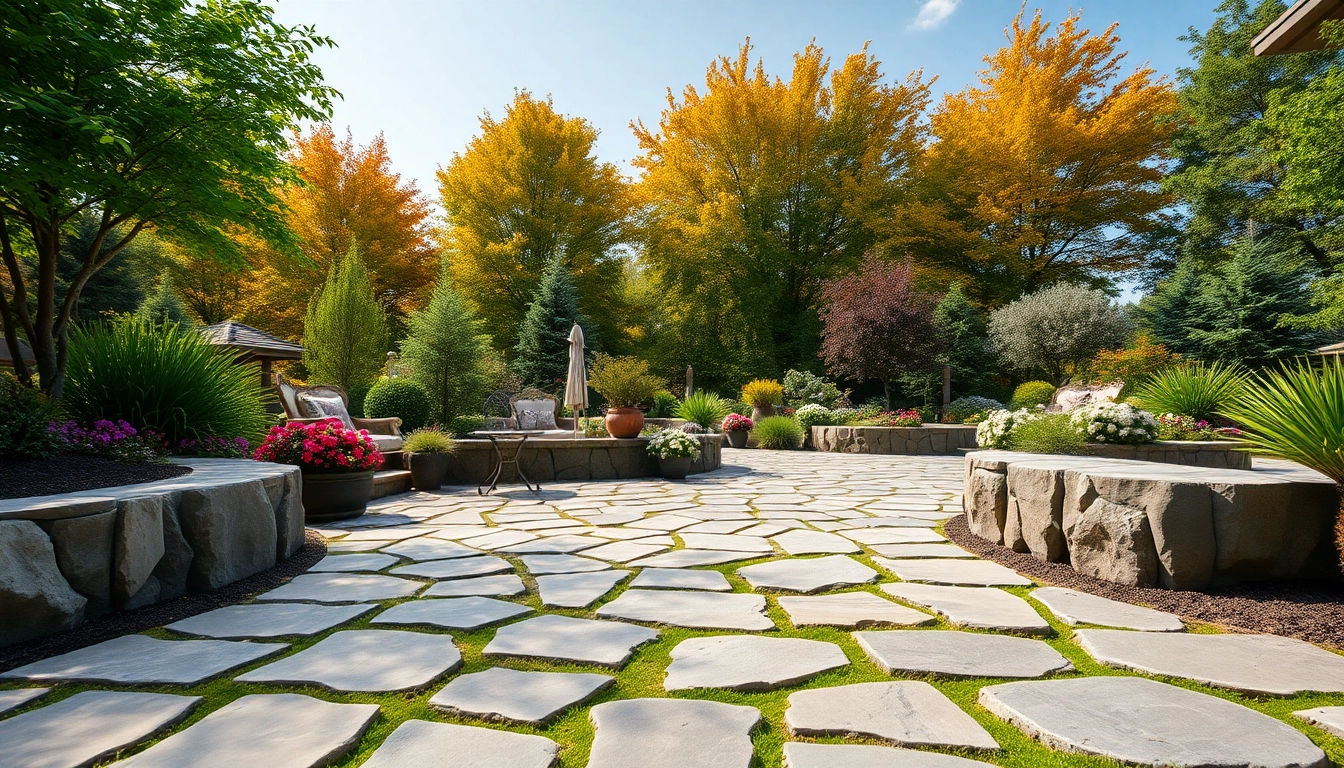
Hardscapes refer to the non-plant elements of landscaping that contribute to the aesthetic and functional aspects of an outdoor space. Unlike softscapes, which include trees, plants, and greenery, hardscapes encompass materials like stone, brick, concrete, and wood. These elements play a crucial role in outdoor design by providing structure, support, and visual interest to your environment.
Benefits of Adding Hardscapes
Incorporating hardscapes into your outdoor space can offer a myriad of benefits. They provide durable surfaces for recreation and gatherings, enhance safety by reducing muddy or slippery areas, and can significantly increase property value. Additionally, well-designed hardscapes can create stunning focal points, drive traffic flows through garden pathways, and contribute to effective water drainage. As homeowners increasingly seek functional outdoor spaces, the integration of hardscapes becomes ever more valuable.
Common Materials Used in Hardscapes
Various materials can be utilized in hardscape construction, each with its unique characteristics and aesthetic appeal:
- Brick: Durable and versatile, brick offers a classic look, often used in patios and walkways.
- Natural Stone: Options like flagstone, slate, and granite provide a rustic, organic appearance.
- Concrete: Highly adaptable, concrete can be poured, stamped, or colored to reflect various styles.
- Wood: Ideal for decks, fencing, and raised beds, wood gives a warm and inviting feel.
- Tiles: Often used in patios and pathways, tiles can provide intricate designs and patterns.
Designing Your Ideal Hardscapes
Choosing the Right Style for Your Space
When it comes to hardscape design, your selected style should harmonize with your home's architecture and surrounding environment. From modern minimalism with sleek lines to rustic charm with natural stones and aged wood, the options are endless. Consider styles that reflect your personality and meet the functional needs of your outdoor space. A thorough understanding of your space's size and usage is essential — for instance, a small balcony may benefit from a minimalistic design, while expansive gardens can accommodate elaborate patterns and features.
Color and Texture Considerations
The selection of colors and textures is pivotal in hardscape design. Neutral colors often provide a versatile backdrop that complements various plants and outdoor elements. On the other hand, bold colors can create striking contrasts and visual interest. Texture plays an equally important role; combining smooth and rough surfaces can enhance the tactile experience of your garden. Experimenting with color and texture can transform a simple space into a captivating outdoor haven.
Incorporating Natural Elements
Integrating natural elements with your hardscapes can create a cohesive and inviting outdoor space. Incorporating boulders, plants, and water features can soften the edges of hard surfaces and promote a seamless transition between nature and built components. Additionally, the use of permeable materials can help achieve a balance, allowing for proper drainage while maintaining the aesthetics of the space.
Installation Process of Hardscapes
Planning and Preparing Your Site
The first step in installing hardscapes is meticulous planning. Assess your space by considering its sunlight exposure, drainage patterns, and existing features that must be accommodated. Create a design layout that reflects the desired flow and purpose of the area. Proper site preparation is critical, including marking the dimensions, clearing the area of debris, and leveling surfaces to ensure a solid foundation.
Step-by-Step Installation Guide
The installation of hardscapes varies depending on the materials used, but a common process includes the following steps:
- Excavation: Digging to the required depth while factoring in the material thickness and sub-base.
- Base Preparation: Laying a compacted gravel base for drainage and stability.
- Installation: Carefully placing the hardscape materials according to the planned design.
- Finishing: Filling gaps with sand, stabilizing the materials, and applying sealants where necessary.
Common Installation Mistakes to Avoid
Many homeowners make mistakes during hardscape installation that can lead to costly repairs down the line. Some common errors include failing to account for water drainage, not compacting the base adequately, and not aligning materials properly. It's essential to follow best practices and consult professional resources or services if you are uncertain about any aspect of the installation.
Maintaining Your Hardscapes
Routine Cleaning Techniques
Regular maintenance is crucial for preserving the beauty and longevity of your hardscapes. Basic cleaning can be done with a broom or pressure washer to remove dirt and debris. For tougher stains, use appropriate cleaning solutions specific to the material, ensuring you do not damage the surface. Regular inspections can also help catch early signs of wear, allowing for timely interventions.
Seasonal Maintenance Tips
Different seasons require varied maintenance approaches. In the fall, remove leaves and debris to prevent mold growth; during winter, ensure that snow is promptly cleared to avoid damaging surfaces. Spring is an excellent time for a deep clean and to check for any damages that may have occurred over the winter months, allowing for necessary repairs before using the space again.
Repairing Damage on Hardscapes
Wear and tear on hardscapes is inevitable. Common issues include cracks, discoloration, or shifting of hardscape elements. Small cracks in concrete can be filled with epoxy resins, while the shifting of bricks may require releveling or replacement. Always address repairs promptly to prevent more significant issues, and consider consulting a professional for extensive damage.
Enhancing Your Hardscapes with Complementary Features
Integrating Lighting Solutions
Outdoor lighting can enhance the beauty of your hardscapes while providing safety and usability during the evening hours. Consider pathways, patios, and steps that are well-lit to create a warm and inviting atmosphere. Options include solar lights for eco-friendliness, LED fixtures for energy efficiency, and strategically placing fixtures to highlight key features of your hardscapes.
Water Features for Added Appeal
Water features such as fountains, ponds, and waterfalls can introduce tranquility to your hardscape designs. These elements not only enhance aesthetics but also provide auditory appeal with soothing water sounds. Incorporating plants around water features can create a more natural look and attract wildlife, adding another layer of life to your outdoor space.
Outdoor Furniture and Decor Considerations
Complement your hardscapes with carefully selected outdoor furniture and decor to enhance functionality and comfort. Consider materials that can withstand the elements while providing comfort and style, such as weather-resistant wicker or aluminum. Decorative elements like outdoor cushions, rugs, and throw pillows can add color and personalize your space further.
Frequently Asked Questions
1. What are the most common hardscape materials?
Common hardscape materials include brick, natural stone, concrete, wood, and tiles, each offering unique aesthetics and functions.
2. How can I choose the right style for my hardscapes?
Consider your home’s architecture, existing landscapes, and your personal style. Styles should harmonize and complement surrounding elements.
3. What maintenance do hardscapes require?
Routine cleaning and seasonal maintenance are essential. Regularly inspect for damage and clean surfaces to maintain their appearance and longevity.
4. How do I prevent water drainage issues with hardscapes?
Incorporate proper grading during installation, use permeable materials, and maintain clear channels to manage water flow effectively.
5. Can I install hardscapes myself?
While some DIY enthusiasts can install hardscapes, proper knowledge of techniques and materials is important. Consulting professionals is advisable for larger projects.