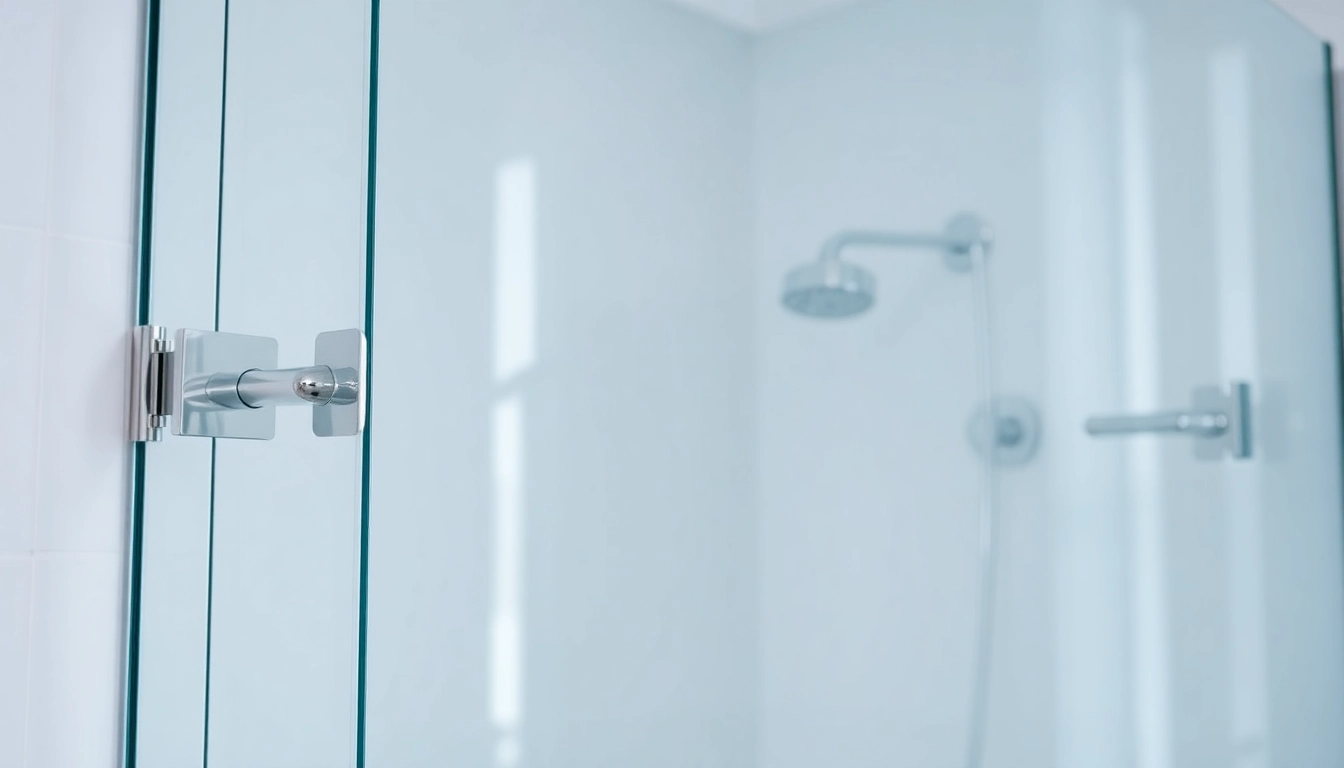
Understanding Shower Screen Door Options
Types of Shower Screen Doors
When it comes to selecting the ideal shower screen door for your bathroom, understanding the different types available is essential. There are several configurations to consider:
- Sliding Doors: Perfect for smaller spaces, these doors glide open and closed along a track, maximizing available space.
- Bi-Fold Doors: These doors fold in on themselves, which can also save space and offer a sleek look.
- Hinged Doors: Operating like a traditional door, hinged doors provide a classic style and are suitable for larger shower areas.
- Fixed Panels: Often used in conjunction with hinged or sliding doors, fixed panels offer a modern look with minimal hardware.
- Curved Doors: Ideal for corner showers, these doors create a spacious feel while maintaining a stylish appearance.
Benefits of Using a Shower Screen Door
Shower screen doors offer multiple advantages that enhance both functionality and aesthetics in your bathroom. Some key benefits include:
- Space Efficiency: Particularly with sliding and bi-fold options, shower screen doors save considerable space.
- Water Containment: Compared to curtains, these doors provide a barrier against water splashes, keeping your bathroom floor dry.
- Easy Maintenance: Glass screen doors are typically easier to clean than fabric curtains and resist mold growth.
- Design Flexibility: Available in various styles and finishes, shower screen doors can complement any bathroom decor.
- Increased Property Value: A modern shower screen door can elevate the overall appeal of your home, potentially increasing resale value.
Materials Used in Shower Screen Doors
The materials used for shower screen doors significantly impact their durability and appearance. Common materials include:
- Tempered Glass: Known for its strength and safety, tempered glass is the most popular choice for modern shower doors.
- Acrylic: This lightweight and shatter-resistant material is less costly than glass but may scratch more easily.
- Framed vs. Frameless: Framed doors provide extra support and style, while frameless options offer a sleek, contemporary look.
- Aluminium Frames: Used mainly in framed designs, aluminium is corrosion-resistant and adds strength to the overall structure.
Choosing the Right Shower Screen Door
Measuring Your Space for a Perfect Fit
Accurate measurements are essential when selecting a shower screen door. Follow these steps for a perfect fit:
- Measure the height and width of your shower space.
- Consider any obstructions, like faucet handles or wall protrusions that might affect door operation.
- Take note of the opening direction; ensure doors can swing or slide appropriately based on your bathroom layout.
- Consult manufacturer guidelines for recommended clearances to guarantee ease of use.
Matching Design with Your Bathroom Style
Your shower screen door should harmonize with your overall bathroom aesthetics. Consider the following design elements:
- Color and Finish: Align the frame's finish with your bathroom fixtures. Chrome, brushed nickel, and matte black are popular choices.
- Style Coordination: Ensure that the door design complements existing elements, such as cabinet styles and tile patterns.
- Glass Texture: Frosted or clear glass options can affect light flow and privacy; choose based on your preference.
Considerations for Family Needs
Family considerations can impact your choice of shower screen door:
- Safety: Opt for tempered glass for safety and durability, especially in homes with children.
- Senior Accessibility: Ensure doors are easy to operate for all family members; consider sliding models for better accessibility.
- Cleaning Requirements: Choose materials that are easier to clean if maintenance is a concern for your family.
Installation Guide for Shower Screen Doors
DIY vs. Professional Installation
When it comes to installation, you may face the choice between DIY and hiring professionals:
- DIY Installation: Cost-effective and rewarding, but requires confidence in measuring and power tools.
- Professional Installation: Ensures a meticulous fitting, which can save time and provide a warranty on workmanship.
Step-by-Step Installation Process
If you choose to install the shower screen door yourself, follow this step-by-step guide:
- Gather necessary tools (drill, level, pliers, etc.) and read the manufacturer’s instructions thoroughly.
- Prepare the shower area by ensuring the walls and floor are clean and free from debris.
- Install the wall tracks or mounting brackets, ensuring they are level and securely anchored.
- Position the door panels and ensure they're aligned properly with the tracks before tightening any screws.
- Test the door's operation multiple times to ensure smooth movement and adjust as necessary.
Common Installation Mistakes to Avoid
To ensure a successful installation, be mindful of these common pitfalls:
- Incorrect Measurements: Double-check all dimensions before cutting or modifying materials.
- Poor Sealant Application: Ensure proper sealing to prevent leaks, especially at junction points.
- Ignoring Weight Limits: Familiarize yourself with the weight capacities of tracks and fittings to avoid premature failures.
Maintenance Tips for Shower Screen Doors
Cleaning Products and Techniques
Regular cleaning maintains the clarity and shine of your shower screen door. Here are effective cleaning techniques:
- Vinegar Solution: Mix vinegar and water for a natural cleaning solution that combats soap scum.
- Glass Cleaners: Use quality commercial glass cleaners for a streak-free finish, ensuring they’re safe for use on tempered glass.
- Squeegee Post-Shower: Using a squeegee after each use helps reduce buildup and keeps your door looking pristine.
Preventing Water Stains and Build-Up
To keep your shower screen door free from stains:
- Water Softener Systems: Installing these systems can minimize hard water deposits on glass surfaces.
- Regular Cleaning Schedule: Establishing a weekly cleaning routine can effectively prevent long-term build-up.
- Protective Products: Using glass protectants can create an invisible barrier against grime and stains.
Regular Inspection for Longevity
Perform periodic inspections to ensure the longevity of your shower screen door:
- Check Hardware: Look for loose screws, rust, or corrosion on hinges and tracks and address issues promptly.
- Inspect Seals: Ensure seals remain intact to prevent leaks that can damage your bathroom over time.
- Track Cleaning: Keep tracks free of debris to ensure smooth operation without straining the mechanism.
Where to Buy Quality Shower Screen Doors
Online vs. Brick-and-Mortar Options
When purchasing a shower screen door, buyers can choose between online platforms and traditional retail outlets:
- Online Shopping: Provides convenience, a wide range of options, and customer reviews, which help in making informed decisions.
- Physical Stores: Offers the advantage of seeing the product in person and receiving immediate assistance from sales experts.
Looking for Quality Certifications
When selecting a shower screen door, seek products with quality certifications such as:
- ISO Certification: Ensures that manufacturing processes meet international standards of quality.
- Safety Glass Standards: Look for compliance marks that indicate safety and durability of glass materials.
- Warranty Information: A robust warranty on the product can indicate manufacturer confidence in their offering.
Price Comparison: Getting the Best Deal
Comparing prices is crucial when making a purchase. Consider these tips:
- Cost Factors: Analyze differing features like material, brand reputation, and warranty length that might affect pricing.
- Discounts and Sales: Keep an eye out for seasonal sales, which can yield significant savings on quality products.
- Package Deals: Often, buying complementary products together can lead to cost savings, plus logistical convenience.
Frequently Asked Questions
What size shower screen door do I need?
Measure the width and height of your shower opening. Ensure to consider any obstructions and allowance for door operation.
How do I clean my shower screen door?
Use a vinegar solution or a commercial glass cleaner. Regularly squeegee the door after use to prevent water stains.
Can I install a shower screen door myself?
Yes, if you're confident with tools and measurements. Follow manufacturer guidelines and ensure proper sealing for best results.
What is the best material for shower screen doors?
Tempered glass is preferred for its strength, safety, and aesthetic. Acrylic is a budget-friendly alternative but may scratch easier.
How often should I maintain my shower screen door?
Regular weekly cleaning combined with monthly inspections can help maintain the appearance and functionality of the door.