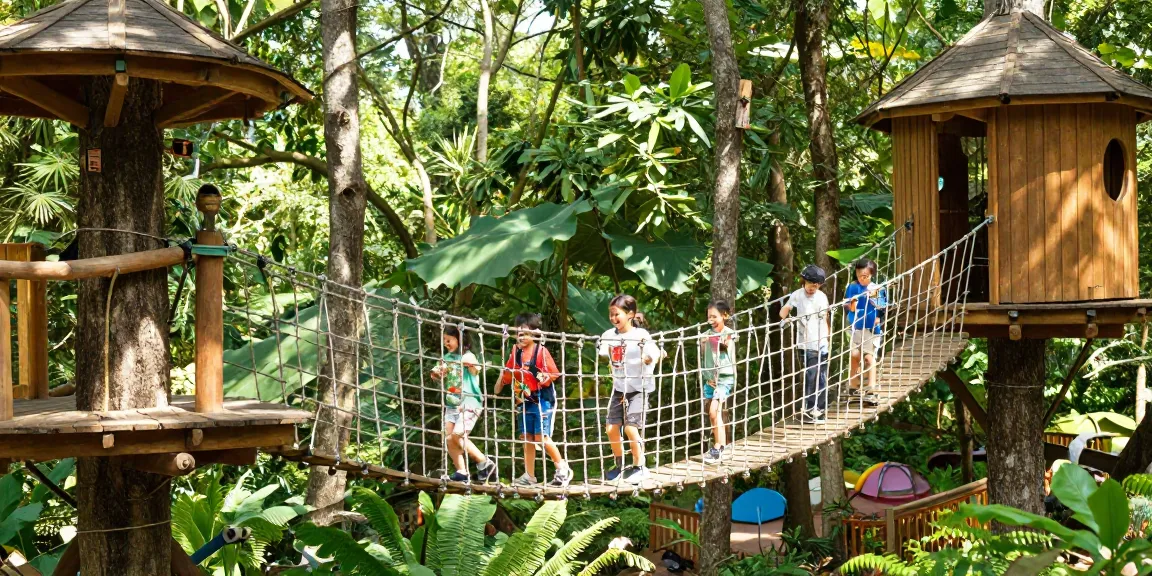
Understanding the Appeal of Holiday Camps
Holiday camps have become an integral part of childhood experiences, offering a unique blend of adventure, learning, and social interaction. These camps create fun-filled environments where children can develop new skills while making lifelong friends. For many families, enrolling a child in Holiday camps is not just a necessity during school breaks, but a cherished tradition. With various types of camps catering to different interests and age groups, the appeal lies in their ability to provide enriching experiences that transcend traditional education.
Benefits of Attending Holiday Camps
Holiday camps offer an array of tangible benefits that contribute to the overall growth and development of children. These benefits include:
- Social Skills Development: Camps create environments rich in peer interaction, promoting communication skills, teamwork, and conflict resolution.
- Physical Health: Engaging in outdoor activities encourages physical fitness, instilling healthy habits early on.
- Creativity and Self-Expression: Through arts and crafts, performing arts, and other creative outlets, children learn to express themselves and explore their creativity.
- Confidence Building: Overcoming challenges and achieving goals at camp fosters confidence and self-esteem in children.
- Independence: Managing time, making choices, and handling minor responsibilities helps children develop independence.
Types of Holiday Camps Available
Holiday camps come in various forms, catering to diverse interests, age groups, and family needs. The major types include:
- Day Camps: These camps offer daily activities without overnight stays and are perfect for younger children or those new to camping.
- Residential Camps: Ideal for older children, these camps provide immersive experiences that last several days or weeks, fostering deep friendships.
- Specialty Camps: These focus on specific interests, such as sports, arts, STEM, or leadership, allowing children to dive deep into their passions.
- Family Camps: Designed for families, these camps encourage bonding through group activities that are enjoyable for all ages.
- Adventure Camps: These camps emphasize outdoor challenges like hiking, rock climbing, and kayaking, promoting teamwork and resilience.
Choosing the Right Holiday Camp for Your Family
Selecting the perfect holiday camp involves several considerations to ensure it aligns with your child's interests and necessities:
- Interests and Goals: Determine what activities your child enjoys. Look for camps that specialize in those areas.
- Location: Consider the distance from your home and the convenience of transportation.
- Budget: Camps can vary significantly in cost; choose one that provides good value for the activities offered.
- Duration: Think about how long your child will be away. For new campers, a shorter duration may be ideal.
- Reviews and Recommendations: Seek feedback from other parents and read reviews to gauge the camp's reputation and safety.
Popular Activities at Holiday Camps
Activities at holiday camps vary widely but generally include a mix of physical, creative, and interactive experiences:
Arts and Crafts Projects
Most holiday camps incorporate arts and crafts, allowing children to unleash their creativity. Projects may range from painting and sculpting to making friendship bracelets and tie-dye shirts. These activities not only provide an outlet for self-expression but also enhance fine motor skills. Camps often showcase a gallery of the children's creations to celebrate their efforts, boosting their pride and confidence.
Outdoor Adventures and Sports
Engaging in sports and outdoor activities is a staple at holiday camps, promoting teamwork and physical health. Common activities include:
- Soccer, basketball, and other team sports.
- Swimming and water games.
- Hiking and nature walks.
- Canoeing, kayaking, and sailing.
- Obstacle courses and team challenges.
These activities provide children with a chance to stay active and develop their athletic skills while learning valuable lessons about teamwork and sportsmanship.
Team-Building Exercises
Many holiday camps focus on team-building exercises aimed at developing camaraderie among campers. These exercises often involve problem-solving tasks, relay races, and cooperative games that require communication and collaboration. Such activities are not only fun but also teach children about trust and mutual respect, creating an environment where friendships can flourish.
Preparing Your Child for Holiday Camps
Proper preparation is essential to ensure a smooth transition for your child attending holiday camps. Here are some steps to consider:
What to Pack for Camp
Packing wisely can significantly enhance your child's camping experience. Consider the following essentials:
- Clothing: Weather-appropriate clothing, comfortable shoes, and swimwear.
- Toiletries: Personal hygiene items such as toothbrush, toothpaste, and sunscreen.
- Bedding: Sleeping bag, pillow, or linens if staying overnight.
- Gear: Any necessary equipment for specific activities (e.g., sports gear, instruments).
- Identification: Label belongings to prevent loss.
How to Manage Separation Anxiety
Separation anxiety is common in children attending camps for the first time. To ease this transition, parents can:
- Communicate: Talk openly about what they can expect at camp and why it will be a fun experience.
- Practice Short Separations: Help your child get accustomed to being apart by arranging playdates or short visits to relatives.
- Reassurance: Assure your child that you will be back and that they can enjoy camp.
Setting Expectations with Your Child
Setting realistic expectations can help children enjoy their camp experience. Discuss the activities they might engage in and the children they will meet. Encourage them to try new things and embrace challenges, reinforcing that it's normal to feel both excited and nervous.
Safety Measures at Holiday Camps
The safety of your child during their camp experience is of utmost importance. Here’s how camps prioritize safety:
Staff Training and Qualifications
Trained and certified staff members are crucial to maintaining a safe environment at holiday camps. Most camps require their counselors to undergo first-aid training, background checks, and specialized training pertinent to the activities they oversee. Workshops on child development and behavior management help staff understand and support campers effectively.
Health Protocols and Emergency Plans
Reputable camps establish rigorous health protocols and emergency plans to handle various situations:
- Health Checks: Daily health screenings ensure the well-being of all campers.
- Emergency Plans: Camps formulate procedures for various emergencies such as medical situations or weather-related events.
- Medication Management: Camps have strict policies regarding medication storage and administration, handled by qualified personnel.
Communication Channels for Parents
Effective communication between camps and parents is vital for peace of mind. Many camps utilize digital tools or apps that allow parents to receive updates and photos, enabling them to feel involved in their child’s camp experience. Regular check-ins may also help alleviate parents’ concerns about their child's well-being.
Frequently Asked Questions About Holiday Camps
What age groups do holiday camps cater to?
Most holiday camps accommodate children from preschool age up to late teens, tailoring programs to suit different developmental needs and interests.
Are holiday camps safe for children?
Yes, reputable camps focus heavily on safety through trained staff, health protocols, and effective emergency procedures to ensure camper safety.
What activities are typically offered?
Activities vary by camp but typically include sports, arts and crafts, outdoor adventures, team-building exercises, and specialized skills training.
How can I find the right holiday camp?
Research available options by considering your child's interests, checking reviews, assessing camp culture, and visiting if possible to gauge the environment.
What is the duration of holiday camps?
Duration varies widely, with some camps offering single-day sessions, while others may extend for weeks, providing options to fit different schedules.