
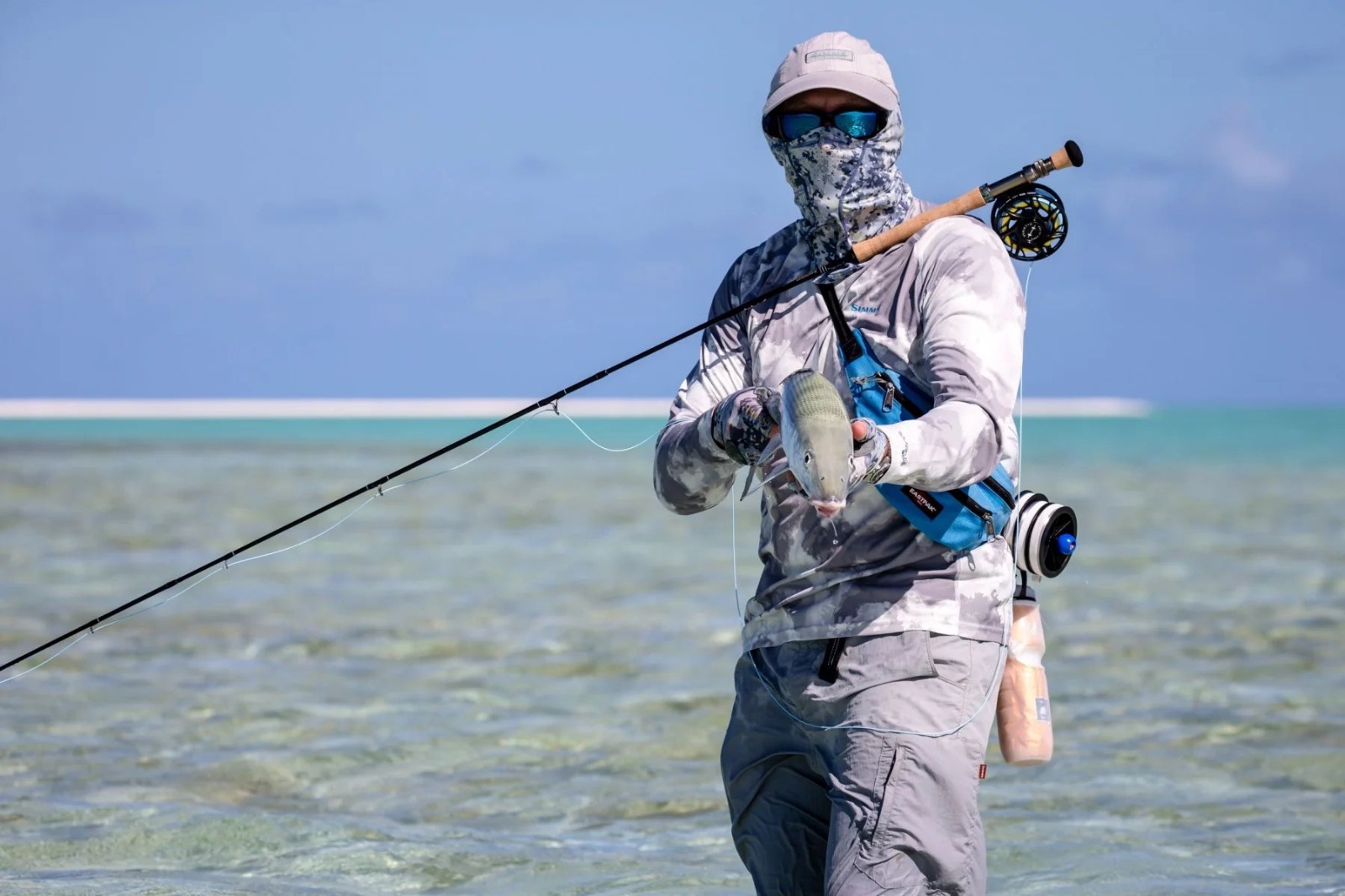
Fly fishing is a thrilling and rewarding way to catch bass, offering both challenge and excitement for anglers of all skill levels. Fly fishing for bass requires patience, skill, and an understanding of bass behavior to maximize success. Whether you are a beginner or an experienced fly angler, learning the secrets from seasoned anglers can significantly improve your catches. In this guide, we explore essential techniques, gear, and strategies that will make your fly fishing experience for bass more successful and enjoyable.
Understanding Bass Behavior
One of the keys to successful fly fishing for bass is understanding their behavior. Bass are predatory fish and tend to feed aggressively during certain times of the day, especially early morning and late afternoon. They often hide near structures like submerged logs, weed beds, and rocky areas. Observing their patterns and movements can help you choose the right fly and fishing technique. Experienced anglers know that matching the hatch—the process of selecting flies that imitate the bass’s natural prey—is crucial in enticing strikes.
Choosing the Right Fly Rod and Reel
Selecting the appropriate gear is essential for effective fly fishing for bass. A medium to heavy-action fly rod, typically between 8 to 9 feet long, works well for bass. Paired with a strong, smooth-action reel, this setup allows you to cast accurately and handle aggressive fish. Line selection is equally important; a weight-forward floating line is ideal for most bass fishing scenarios. Additionally, using a strong backing line provides the extra strength needed to fight larger bass without breaking the line.
Best Flies for Bass
Choosing the right fly can make or break your fly fishing for bass experience. Popular options include poppers, streamers, and crayfish patterns. Poppers create surface disturbance that attracts aggressive bass, while streamers imitate baitfish that bass naturally prey upon. Crayfish patterns are effective because bass frequently feed on them near rocky structures. Experimenting with different flies and observing which ones elicit the most strikes is a strategy used by experienced anglers to improve catch rates.
Techniques for Successful Bass Fishing
Mastering the right techniques is crucial for fly fishing for bass. One effective method is the “strip and pause” technique, which mimics the natural movement of prey. Cast your fly near structures or along drop-offs, strip the line in short bursts, then pause to let the fly sink naturally. Varying the speed and rhythm can entice bass to strike. Another technique is sight fishing, where anglers visually locate bass in clear water and present the fly directly in front of them. This approach requires stealth and precision but can result in impressive catches.
Seasonal Strategies
Seasons play a significant role in fly fishing for bass. In spring, bass are more aggressive due to spawning behavior and are often found in shallow waters near the shore. Summer brings warmer water, which may push bass to deeper, cooler areas during the day, making early morning and late evening prime fishing times. In fall, bass feed heavily to prepare for winter, providing great opportunities for fly anglers. Winter can be slower, but targeting deeper structures and using slow-moving flies can still yield results. Adjusting your approach seasonally is a hallmark of experienced anglers.
Reading the Water
Another critical skill in fly fishing for bass is reading the water. Look for areas where currents meet, submerged vegetation, drop-offs, and shadowed areas—these are likely bass hotspots. Observing water temperature, clarity, and insect activity can also provide clues about bass feeding behavior. Experienced anglers often spend time studying a fishing spot before casting, increasing their chances of success. Understanding water conditions allows you to choose the correct fly, presentation, and technique for each situation.
Setting the Hook and Playing the Fish
Properly setting the hook is essential in fly fishing for bass. When you feel a strike, avoid immediately yanking the rod; instead, lift it firmly to set the hook in the bass’s mouth. Playing the fish with controlled tension ensures you don’t lose it mid-fight. Using a smooth, consistent reeling motion while adjusting rod angles helps tire the bass without putting too much stress on the line. Experienced anglers emphasize patience and careful handling, especially if you plan to release the fish back into the water.
Catch and Release Tips
Practicing catch and release is important for sustainable fly fishing for bass. Handle bass gently, wetting your hands before touching them to protect their slime coat. Use barbless hooks to reduce injury and release fish quickly back into the water. Supporting the bass in an upright position until it swims away ensures it recovers fully. Catch and release allows anglers to enjoy the sport while preserving bass populations for future generations.
Final Thoughts
Mastering fly fishing for bass takes time, patience, and a willingness to learn from experienced anglers. Understanding bass behavior, choosing the right gear, selecting effective flies, and mastering fishing techniques all contribute to a successful day on the water. Whether you are fishing for sport or relaxation, following these tips will enhance your experience and increase your chances of landing trophy bass. Remember, practice, observation, and adaptability are key to becoming a skilled bass fly angler.