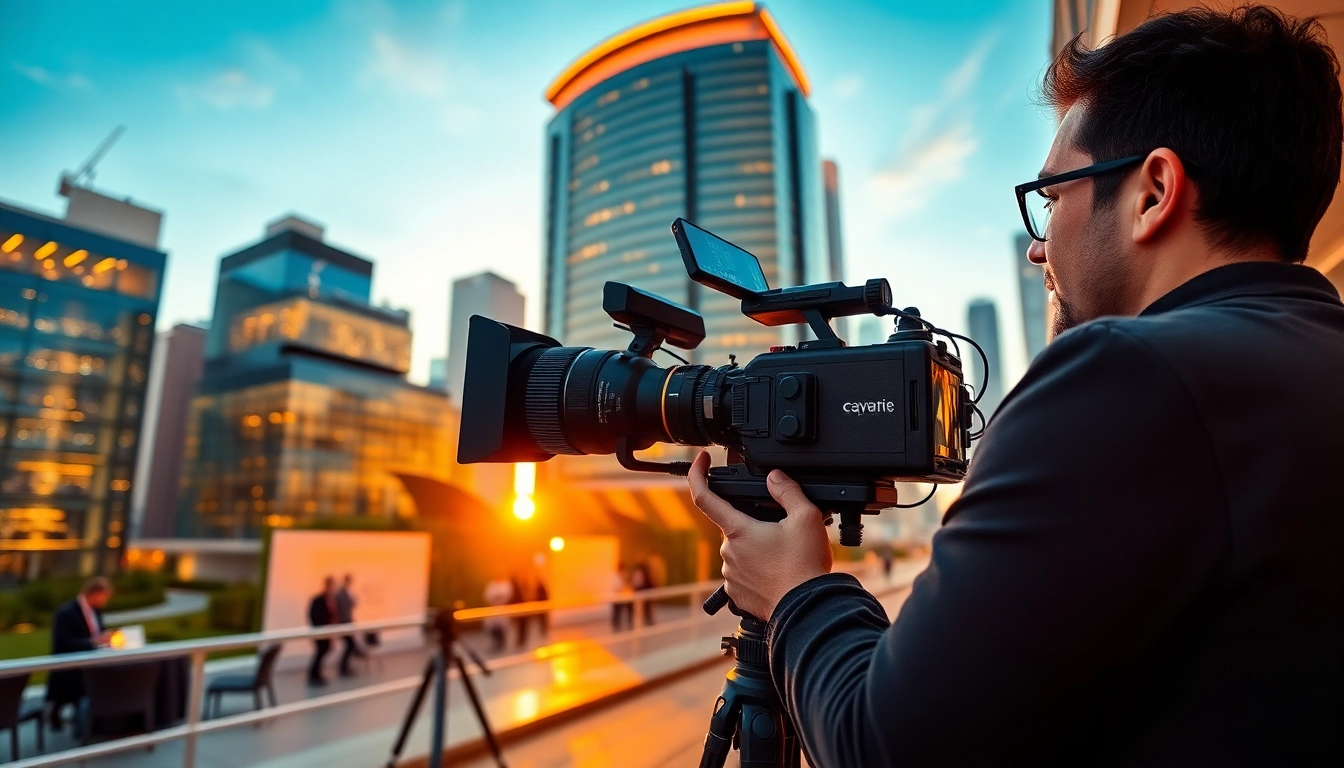
Understanding the Essentials of Commercial Videography
What is Commercial Videography?
Commercial videography is the art of creating video content specifically for commercial purposes. Unlike general videography, which may focus on artistic expression or personal projects, commercial videography is tailored to meet the needs of businesses and brands. It encompasses promotional videos, advertisements, corporate training videos, product showcases, and more. The primary goal is to engage target audiences and convey messages that drive action, whether it’s to purchase a product, subscribe to a service, or build brand loyalty.
At its core, commercial videography combines storytelling, technical skill, and marketing principles to create compelling visuals that resonate with viewers. Understanding this discipline requires insights into various techniques, audience engagement methods, and strategic planning to ensure the generated content meets its objectives.
Key Techniques in Videography
Successful commercial videography relies on several key techniques that enhance the overall quality and effectiveness of the final product. These techniques include:
- Cinematography: The art of capturing moving images. It involves the selection of camera angles, movements, and shot compositions that add depth and interest to a video.
- Editing: The process of assembling video footage in a coherent manner. Effective editing enhances storytelling, maintains pacing, and ensures a smooth flow of information.
- Sound Design: Audio elements are crucial for creating an immersive experience. This includes background music, sound effects, and clear voiceovers that complement the visual narrative.
- Color Grading: This technique involves adjusting color properties in the video to create a specific mood or tone that aligns with the brand identity.
Importance of Storytelling in Videography
Storytelling is an essential element of commercial videography that sets it apart from other video forms. A well-crafted story captures audience attention and fosters an emotional connection, which is vital for effective brand communication. Through storytelling, videographers can highlight a brand's values, mission, and unique selling propositions in an engaging manner.
Utilizing narrative techniques such as character development, conflict resolution, and a clear message reinforces viewers’ understanding and retention. Incorporating case studies or testimonials as part of the narrative further builds credibility and trust in the brand.
Planning Your Commercial Videography Project
Defining Your Audience and Objectives
The first step in planning a commercial videography project is to clearly define the target audience and establish specific objectives. Understanding the demographics, preferences, and pain points of the intended audience is crucial for tailoring content that resonates. Additionally, objectives should be measurable, whether aiming for increased sales, enhanced brand awareness, or customer engagement.
Conducting audience research through surveys or social media analysis can provide valuable insights that inform both the messaging and creative direction of the video. This groundwork allows for a focused approach where every element of the video, from scripting to filming, aligns with audience expectations.
Creating a Compelling Script
A compelling script acts as the backbone of any successful commercial video. It should clearly convey the video’s message while maintaining viewer interest from start to finish. Writing an effective script requires identifying the central message, outlining the structure, and crafting dialogues that resonate with the target audience.
Incorporating elements like a strong hook at the beginning, a coherent storyline, and a clear call-to-action towards the end can enhance engagement. Additionally, collaborating with marketing teams to ensure the script aligns with branding goals can yield better results.
Setting a Budget for Your Videography
A well-defined budget is essential for executing a commercial videography project successfully. Understanding all components that influence costs—from equipment rentals to talent fees and post-production expenses—is crucial for making informed decisions. Creating a budget should involve:
- Research: Collecting quotes from vendors, assessing equipment needs, and evaluating potential additional costs.
- Prioritization: Identifying which aspects of the video require more financial attention based on their impact on overall quality.
- Contingency Plans: Setting aside a portion of the budget for unexpected expenses that may arise during the filming or editing process.
Choosing the Right Equipment for Quality Videography
Camera Types for Commercial Videography
The choice of camera significantly impacts the quality of video content. In commercial videography, options widely vary, including:
- DSLR Cameras: Known for their versatility and image quality, DSLRs are popular among videographers.
- Mirrorless Cameras: Offering compact designs and high-quality output, mirrorless cameras have gained popularity for professional videography.
- Professional Camcorders: These offer built-in features specifically designed for video production.
- Dedicated Cinema Cameras: Tailored for high-end video production, these cameras offer superior image quality and control.
Must-Have Videography Accessories
Accessories play a crucial role in enhancing the quality of videography. Some essential accessories include:
- Tripods and Stabilizers: To ensure smooth, stable shots and eliminate camera shake.
- External Microphones: For capturing high-quality sound that enhances the overall video quality.
- Lighting Equipment: Proper lighting is vital for creating visually appealing videos.
- Gimbals: Used for capturing smooth, dynamic shots while moving.
Understanding Lighting Techniques
Lighting can make or break a video. Understanding different lighting techniques can help create the right mood and ensure clarity in the visuals. Essential lighting techniques include:
- Three-Point Lighting: Involves the use of key, fill, and backlight to create a balanced and professional look.
- Natural Lighting: Utilizing available light sources can create beautiful, soft visuals when timed correctly.
- High-Key and Low-Key Lighting: High-key lighting results in bright and cheerful visuals, while low-key lighting creates drama and intensity.
Filming Tips for Impactful Commercial Videography
Effective Composition in Videography
Composition is vital in videography, as it guides the viewer's eye and influences how they perceive the scene. Techniques such as the Rule of Thirds, leading lines, and symmetry can enhance the aesthetic appeal of a video. Adjusting shot angles and framing subjects thoughtfully can create engaging visuals that maintain viewer interest.
Employing a variety of shots—such as close-ups, medium frames, and wide angles—can add depth and keep the narrative dynamic. Each shot should serve a purpose in telling the story, whether to highlight a product or convey an emotion.
Capturing High-Quality Sound
Sound quality can significantly impact viewer engagement. Poor audio can distract from even the most visually stunning videos. Invest in quality microphones and consider using external audio recorders when possible. Additionally, being aware of the filming environment—such as minimizing background noise and echoes—can help in achieving superior audio quality.
Directing Talent for Natural Performances
Directing talent involves guiding actors or presenters to deliver authentic performances. Clear communication is key—explain the character’s motivations and the goals of a scene to help them embody their roles. Additionally, encouraging improvisation can lead to more genuine reactions that resonate with the audience.
Utilizing rehearsal time effectively can also refine performances and help talent feel comfortable on camera, resulting in more natural expressions and movements.
Post-Production: Bringing Your Vision to Life
Editing Techniques for Engaging Videos
Editing is where the magic happens in commercial videography. It transforms raw footage into a coherent and captivating narrative. Techniques such as cutting to the beat of the music, using transitions effectively, and ensuring clear pacing are essential. Keeping the viewer engaged often requires cutting out unnecessary footage, enhancing pacing, and defining key moments that drive the story forward.
Consider using software tools that allow for advanced editing capabilities, such as color correction, and effects layering, and provide access to a range of filters and plugins to enhance video quality.
Adding Graphics and Effects
Incorporating graphics and effects can elevate the professional quality of commercial videos. This includes overlays, lower third graphics for text information, and animated logos. Each graphic element should serve a purpose—either to support the narrative or enhance viewer understanding. Keep designs consistent and aligned with brand identity, ensuring they complement the overall video aesthetic rather than distract from it.
Distribution Strategies for Maximum Reach
Once the video is complete, distribution becomes a critical component for achieving objectives. Choose platforms that best suit the target audience, such as social media, company websites, or email newsletters. Utilize SEO best practices by optimizing titles, descriptions, and tags to improve search visibility.
Engaging with your audience through promotional strategies—such as teaser clips, behind-the-scenes content, or live Q&A sessions—can increase reach and engagement. Monitoring performance metrics across platforms will provide insights into viewer behavior and help refine future content strategies.
FAQs About Commercial Videography
What makes commercial videography different from regular videography?
Commercial videography focuses on business and brand messaging, aiming to engage viewers for marketing purposes, while regular videography may be more artistic or personal in nature.
How long should a commercial video be?
The ideal length varies depending on the platform, but generally, 30 to 90 seconds is recommended for promotional content to maintain viewer attention.
Do I need a professional videographer for my commercial project?
While DIY options exist, a professional videographer brings expertise in storytelling, technical skills, and high-quality equipment crucial for impactful commercials.
What is the importance of sound in commercial videography?
Sound enhances the viewer's emotional connection to the content. Clear audio, music, and sound effects significantly influence the overall impact and engagement of the video.
How can I measure the success of my commercial video?
Success can be measured through metrics like viewer engagement rates, conversion rates, shares, and comments, which indicate how effectively the video resonates with the audience.