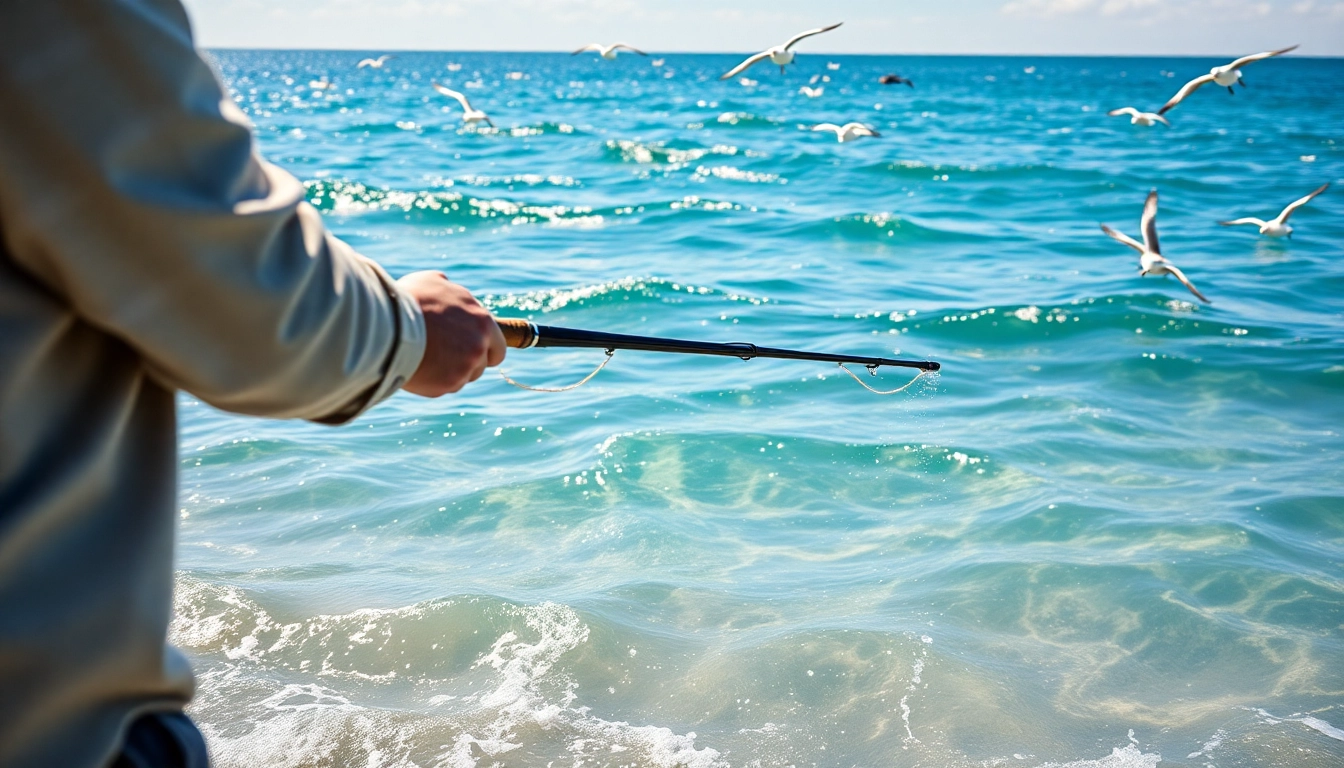
Introduction to Saltwater Fly Fishing
Saltwater fly fishing is a captivating sport that combines the art of fly casting with the thrill of targeting a plethora of saltwater species. With growing popularity among anglers, enthusiasts often find themselves drawn to coastal environments where they can explore the beauty of the oceans while engaging in this unique form of fishing. The challenges and rewards of saltwater fly fishing are distinct, necessitating a different set of skills, techniques, and gear compared to freshwater fishing. Understanding these differences is essential for anyone looking to master saltwater angling.
Understanding the Basics
At its core, saltwater fly fishing involves using specialized lightweight flies rather than traditional lures or baits to entice fish species such as tarpon, bonefish, and permit. This method relies heavily on the technique, as the diverse habitats of saltwater environments—from shallow flats to deep offshore waters—require adaptability and skill from the angler. To get started, one must familiarize themselves with specific gear suited for rigorous weather conditions and ocean environments, as well as the behavior patterns of saltwater fish.
Key Differences from Freshwater Fishing
The primary difference between saltwater and freshwater fishing lies in the environment itself. Saltwater fish often inhabit more dynamic and challenging conditions such as stronger tides, waves, and varying salinity levels. Moreover, the species targeted in saltwater fly fishing are typically larger and more aggressive than their freshwater counterparts, which calls for heavier tackle and more durable flies. Anglers must also account for factors like wind, tides, and sun positioning, which play a critical role in defining the fishing experience.
Essential Gear and Equipment
When setting out for a saltwater fly fishing adventure, having the right gear is crucial. This includes:
- Fly Rod: A sturdy fly rod designed for saltwater use, commonly ranging from 8 to 12-weight, is necessary to handle larger fish.
- Fly Reel: A powerful reel with a reliable drag system is essential to withstand the strong runs of saltwater species.
- Fly Line: Weight-forward floating lines are often preferred for casting long distances in varying conditions.
- Leaders and Tippets: Saltwater fishing often calls for heavier leaders and tippets, usually in the 20- to 40-pound test range.
- Flies: Specific saltwater flies mimic baitfish, crustaceans, and other prey, and choosing the right fly can make all the difference in your success on the water.
Saltwater Fly Fishing Locations
Top Destinations for Saltwater Fly Fishing
Some locations around the world are renowned for their exceptional opportunities for saltwater fly fishing. Key destinations include:
- The Florida Keys: A top spot for tarpon, bonefish, and permit fishing, the Keys offer a stunning backdrop of turquoise water and mangroves.
- Bahamas: Known for its extensive flat systems, the Bahamas is a prime destination for bonefish and permit enthusiasts.
- Mexico’s Yucatan Peninsula: The combination of shallow lagoons and deep offshore waters makes this an ideal spot for targeting species like redfish and tarpon.
- Australia’s Great Barrier Reef: This diverse ecosystem is home to various species, making it a mecca for adventurous anglers seeking the ultimate fly fishing experience.
Seasonal Considerations and Target Species
Understanding seasonal patterns is vital for successful saltwater fly fishing. Different species have specific migration and spawning periods, which influence their availability:
- Tarpon: Best targeted during spawning runs from April to June in various locations.
- Bonefish: Generally, they can be fished year-round, but peak seasons depend on local weather patterns and water temperatures.
- Permit: These fish are most prevalent from late winter through early spring, making this an ideal window for targeting them.
Accessing Remote Fishing Spots
Many prize locations for saltwater fly fishing are off the beaten path, requiring anglers to venture beyond easily accessible ports. Kayaks, paddleboards, or even small boats can facilitate access to secluded areas that are rich in fish populations. Moreover, hiring local guides can enrich the experience, offering insider knowledge on the best spots and techniques specific to the region.
Techniques for Effective Casting
Fundamentals of Casting in Saltwater
Success in saltwater fly fishing heavily relies on the caster’s technique. The basics include:
- Cast Timing: Timing your back and forward casts is essential to ensure a smooth presentation, especially when trying to cast to moving fish.
- Double Haul Casting: This technique increases line speed and distance, enabling anglers to reach fish effectively in challenging conditions.
- Accuracy: Targeting fish in windy conditions requires exceptional accuracy, demanding practice and focus.
Specialized Casting Techniques
Advanced casting techniques can enhance your saltwater fishing performance:
- Roll Cast: Useful for casting with limited space behind you, this technique uses water tension to propel the line forward.
- Curve Cast: This is effective for presenting flies in strong wind conditions, allowing for adjustments in casting direction.
Wind and Weather Adaptations
Anglers must remain adaptable, as weather conditions can change rapidly in coastal environments. Wind direction and intensity can impact both casting techniques and the location of fish. When casting into wind, using heavier flies, adjusting your angle, and refining your casting stroke can lead to greater success. Being mindful of the tides and moon phases also influences the feeding behavior of fish, which can dictate the best times to expect bites.
Fly Selection and Presentation
Types of Flies for Saltwater Environments
Selecting the right flies is crucial for attracting saltwater species. Common options include:
- Streamers: Mimicking larger baitfish or crustaceans, streamers are effective for aggressive predators.
- Crabs and Shrimp Patterns: Many saltwater fish, especially permit, target crustaceans, making these flies essential.
- Deceivers: These synthetically designed flies are versatile and can mimic various baitfish.
Matching Flies to Fish Behavior
Understanding fish behavior is essential when selecting flies. Observing the baitfish in the area and choosing flies that reflect their size, color, and motion will increase the likelihood of success. Pay attention to the forage present and adapt your fly selection throughout the day, as feeding patterns may shift with changing light conditions.
Presentation Techniques for Success
Once the right fly has been selected, effective presentation becomes critical. Utilizing techniques such as stripping—where the line is pulled in short, rapid segments mimicking the movement of fleeing prey—can provoke strikes from active fish. Additionally, varying retrieval speeds and patterns while being mindful of the water's current can significantly enhance your effectiveness as an angler.
Conservation and Ethical Practices
Sustainable Saltwater Fly Fishing Practices
As passionate anglers, we hold a responsibility to protect the environments we fish in. Practicing sustainable fishing techniques is pivotal in preserving aquatic ecosystems. Strategies include:
- Using barbless hooks, which reduce injury to fish.
- Minimizing the handling of fish to reduce stress and ensure quick releases.
- Following local regulations regarding catch limits and protected species.
Importance of Catch and Release Ethics
Catch and release ethics emphasize limiting the number of fish kept while ensuring that caught fish have the best chance of survival upon release. This practice not only sustains fish populations but also fosters a culture of conservation among angling communities. Educating new anglers about the impact of their fishing practices fosters a more mindful approach across the board.
Supporting Marine Conservation Efforts
Active participation in marine conservation efforts is vital for preserving our oceans' health. This may include volunteering for local clean-ups, becoming involved with advocacy groups focused on sustainable practices, or contributing to conservation organizations. Engaging with the community fosters a strong sense of stewardship, encouraging others to join in protecting our oceans for future generations.