Understanding the Appeal of Retro Appliance
History of Retro Design
The rise of retro design can be traced back to the mid-20th century, a time when bold colors, geometric patterns, and innovative materials defined the aesthetic of consumer goods. These designs emerged from an era characterized by optimism and post-war prosperity, leading to household items that weren't just functional, but also vibrant and expressive. As modern minimalism took hold in the following decades, nostalgia for the past began to flourish. Today, the retro appliance serves as a bridge between the simplicity of the past and the complexities of contemporary life.
Key Features of Retro Appliance
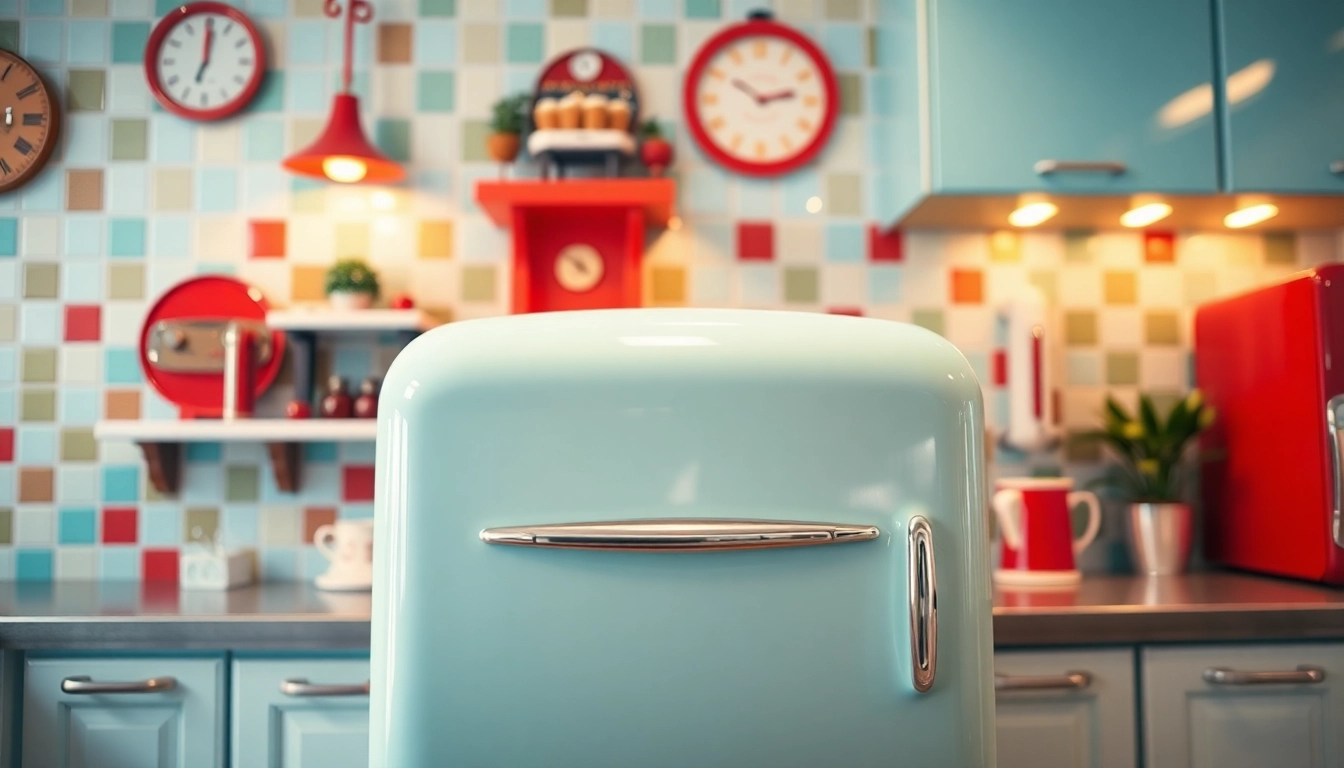
Retro appliances are easily recognizable by their distinctive features. They often boast a rounded silhouette, bold colors, and chrome accents that evoke a sense of nostalgia. These appliances are designed not just to fulfill practical roles but also to serve as captivating focal points in kitchen décor. Many models include functionalities that blend traditional and modern features, such as energy efficiency and smart technology, while maintaining their vintage appeal. The combination of style and utility is a significant factor contributing to their popularity.
Psychological Impact of Vintage Aesthetics
Psychologically, retro aesthetics can trigger powerful feelings of nostalgia, evoking fond memories associated with childhood or simpler times. Such emotional connections can influence purchasing behavior, as consumers are more inclined to buy items that resonate with their memories. The appeal of a retro appliance goes beyond its appearance; it taps into a broader desire for comfort and familiarity in a rapidly changing world. This psychological impact is significant, indicating a profound relationship between design and human experience.
Choosing the Right Retro Appliance for Your Home
Factors to Consider Before Buying
When selecting a retro appliance, various factors should be considered to ensure a perfect match for your home. Firstly, assess the size of your kitchen and available space for the appliance. Additionally, consider its functionality to ensure it meets your cooking and storage requirements. Color is also a crucial aspect; choose hues that either complement your existing décor or stand out as statement pieces. Finally, your budget is a key consideration, as retro appliances can range from affordable options to high-end models, reflecting the quality and brand reputation.
Popular Brands and Models
Many manufacturers have embraced the retro aesthetic, offering a variety of models across different appliance categories. While specific brand recommendations are not provided, consumers can explore a range of reputable companies known for their retro designs. These brands typically offer appliances like refrigerators, ovens, and toasters with customizable features, allowing for a unique kitchen setup. In researching popular models, it’s essential to read consumer reviews and seek out expert opinions to informed decisions. Features like energy efficiency ratings and warranty information should also play a crucial role in the selection process.
How to Match with Existing Décor
Integrating a retro appliance into your existing home décor can be both fun and creative. Start by identifying the dominant color palette of your kitchen; a retro appliance in a complementary color can enhance visual harmony. For a bolder statement, consider contrasting colors or styles that create visual intrigue. Mixing mid-century modern elements with contemporary furniture can also add layers and texture to your kitchen space. Furthermore, using vintage-inspired accessories, such as dishware or wall art, can tie the room together and elevate the retro vibe.
Maintaining and Caring for Your Retro Appliance
Cleaning and Upkeep Tips
Proper maintenance is crucial for preserving the beauty and functionality of your retro appliance. Regular cleaning with gentle, non-abrasive materials prevents build-up and keeps surfaces looking new. Stainless steel appliances may require specific cleaners to avoid streaks, while painted surfaces should be cleaned with a soft cloth and mild soap. Additionally, keeping the appliance's manual handy can provide specific guidelines tailored to your model, ensuring you apply the best practices for upkeep.
Troubleshooting Common Issues
Even well-made retro appliances can encounter issues over time. Some common problems include temperature regulation in refrigerators, noise from motors, or malfunctioning knobs on stoves. Begin troubleshooting by checking for simple solutions like resetting the appliance or ensuring that doors are sealing properly. If issues persist, consulting the user manual can help pinpoint the problem. Professional assistance may be necessary for more complex issues, especially if your appliance is vintage.
When to Seek Professional Help
While many minor glitches can be addressed independently, certain situations warrant professional intervention. If you notice significant leaks, excessive noise, or electrical problems, it’s essential to contact a technician with experience working on retro appliances. Additionally, older models may require specialized knowledge for repairs, ensuring that they are restored to proper functioning without compromising their original integrity.
Trending Styles in Retro Appliance Design
Current Color Palettes and Finishes
Current trends in retro appliance design reflect a mix of vibrant colors and chic finishes that resonate with modern consumers. Popular color choices include pastel shades like mint green, baby blue, and soft pink, reminiscent of the 1950s and 60s. Matte and glossy finishes provide complementary styles appealing to diverse tastes. Engaging with design trends, such as two-tone color schemes, can also enhance the vitality of a retro appliance while contributing to unique visual narratives in the kitchen.
Unique Customization Options
Customization is a growing trend in retro appliance design, allowing homeowners to imbue personal style into their kitchens. Many manufacturers now offer customizable color options, allowing customers to select finishes that align with their specific decor preferences. Additionally, adding personalized decals or retro-inspired accessories can further enhance customization. For those with a creative flair, exploring DIY options for refinishing or creatively integrating retro appliances into cabinetry can offer a truly one-of-a-kind aesthetic.
Mixing Modern and Retro Elements
Blending modern and retro styles in the kitchen has become a popular approach for homeowners seeking both nostalgia and practicality. Elements such as sleek, contemporary cabinetry paired with a retro appliance create an engaging contrast that resonates with a wide audience. Incorporating minimalistic styles and modern technology in appliances allows for greater functionality while retaining the charm of retro design. This approach not only celebrates the past but also embraces innovation, resulting in a balanced and inviting kitchen space.
Frequently Asked Questions about Retro Appliance
FAQ: What is a retro appliance?
A retro appliance refers to kitchen or home devices designed in a nostalgic style, reminiscent of past decades, often featuring bold colors and unique shapes.
FAQ: Are retro appliances energy-efficient?
Many modern retro appliances are designed to be energy-efficient while retaining their classic style, providing both aesthetic and environmental benefits.
FAQ: How can I integrate retro appliances into a modern kitchen?
Integrate retro appliances by using complementary colors and vintage décor elements. Create contrast with sleek lines or minimalist furniture to balance styles.
FAQ: Where can I buy retro appliances?
Retro appliances can be found at specialty appliance stores, online marketplaces, and selected retailers that focus on vintage or nostalgic home goods.
FAQ: Do retro appliances come with warranties?
Yes, most retro appliances come with warranties. It's essential to check with the manufacturer regarding the specific terms and coverage options available.