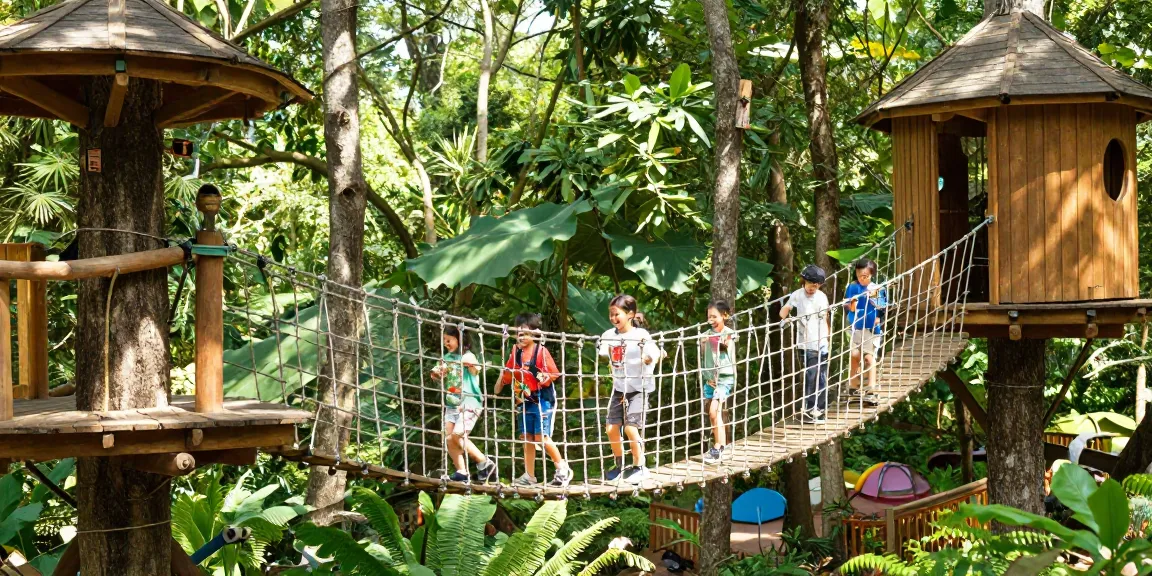
Understanding Rope Bridge Design Fundamentals
Rope bridges have fascinated adventurers for centuries, offering both a practical solution for crossing obstacles and an aesthetic connection to the natural world. The unique appeal of a rope bridge lies in its blend of functionality and artistry, making it a popular choice for treehouses, parks, and nature trails. When exploring options, Rope Bridge design can provide comprehensive insights into creating a bridge that is not only sturdy but visually pleasing. This article will guide you through the essentials of rope bridge design, from the basics to advanced construction techniques.
What is Rope Bridge Design?
Rope bridge design refers to the planning and construction of bridges primarily composed of ropes and cables, often suspended between two or more anchor points. These bridges are typically lightweight, allowing them to span considerable distances while providing stability and safety. The design’s simplicity is its strength, making it an attractive option for various environments, including dense forests and rugged terrains.
Types of Rope Bridges
There are several types of rope bridges, each suited to different applications and environments. Understanding these can help you choose the right design for your project:
- Suspension Rope Bridges: These bridges use cables to suspend the deck. They are ideal for longer spans and can accommodate pedestrians and light vehicles.
- Fixed-Beam Rope Bridges: This design employs rigid beams rather than cables for support. They are less flexible but provide great stability for heavier loads.
- Log Rope Bridges: Constructed with logs secured by ropes, these bridges offer a rustic aesthetic. They are commonly found in natural settings and can be a great addition to treehouses.
Key Components of Effective Design
An effective rope bridge design includes several key components that ensure safety, durability, and functional beauty:
- Anchor Points: These are critical for securing the bridge; they need to be robust to withstand tension and movement.
- Decking Material: The surface should be made from durable materials, such as wood or composite, capable of supporting foot traffic.
- Support Cables: The choice of cables is vital for load capacity; materials like steel or high-strength synthetic ropes are often preferred.
Planning Your Rope Bridge Project
Site Assessment and Selection
Before embarking on a rope bridge project, a thorough site assessment is essential. Look for suitable locations that not only offer functional advantages but also enhance the aesthetic value of the bridge. Consideration should be given to the landscape, including trees, water bodies, and existing pathways. Natural anchor points, such as sturdy trees or rocks, can provide significant support and reduce construction costs.
Materials Needed for Rope Bridge Design
Choosing the right materials is crucial to the success of your rope bridge. Typical materials include:
- Ropes or Cables: High-strength synthetic or metal cables are essential for durability.
- Decking Boards: Weather-resistant wood, like cedar or treated pine, is ideal for the walking surface.
- Fasteners: Heavy-duty bolts, screws, and brackets to secure components properly.
Budgeting for Your Rope Bridge
Budgeting is a pivotal part of planning your rope bridge. Consider costs for materials, tools, and any labour that may be required. It's wise to allocate additional funds for unexpected expenses or necessary upgrades to materials. By planning ahead, you can avoid overspending while ensuring you have everything required to complete the project.
Building Your Rope Bridge: Step-by-Step Guide
Designing the Blueprints
The design blueprint acts as the roadmap for your project. Begin by determining the dimensions of your bridge based on the span and intended use. Incorporate safety features like railings in your design. Tools such as CAD software can assist in creating precise plans that illustrate your vision clearly.
Construction Techniques and Best Practices
Once your plans are ready, it’s time to begin construction. Here are essential techniques to follow:
- Prepare the Site: Clear the area of debris and ensure the anchor points are stable and secure.
- Install Anchor Points: Whether employing trees or additional posts, ensure they are securely fixed to support the weight of the bridge.
- Construct the Deck: Assemble the decking, securing it properly to avoid any sag or movement.
Safety Considerations and Regulations
Safety cannot be overstated in rope bridge construction. Assess load limits and ensure that the design adheres to local regulations. Consider involving professional engineers to review your designs and provide insights into necessary safety measures.
Enhancing Your Rope Bridge Experience
Incorporating Play Features
Rope bridges can be more than functional structures; they can enhance outdoor play areas. Adding features like slides, climbing walls, or rope ladders can make the bridge an engaging adventure for children and adults alike.
Integrating the Bridge into the Landscape
For the best visual appeal, your rope bridge should harmoniously blend with its surroundings. Consider using natural materials that match the landscape and adding plant life around the base of the bridge to enhance its integration.
Maintenance Tips for Longevity
Regular maintenance is essential for prolonging the life of your rope bridge. Inspect the cables and decking for signs of wear, cleaning any debris regularly, and applying protective coatings to ensure durability against the elements.
Future Trends in Rope Bridge Design
Innovative Materials and Technologies
The future of rope bridge design is leaning towards sustainable and innovative materials. Biodegradable ropes and eco-friendly decking are becoming popular, enabling the construction of bridges that are not only strong but also environmentally responsible.
Sustainable Practices in Outdoor Structures
As environmental consciousness grows, integrating sustainable practices into rope bridge construction is vital. This includes sourcing materials locally to reduce carbon footprints and implementing designs that minimise disruption to natural habitats.
Community Projects and Collaborations
Community engagement can greatly enhance the planning and execution of rope bridge projects. By collaborating with local organisations, you can access resources, expertise, and even volunteers who can assist with construction, making the project more inclusive and beneficial.
How does rope bridge design improve outdoor experiences?
Rope bridges enhance outdoor experiences by providing unique access to areas that may be difficult to reach otherwise. They encourage exploration and adventure, making nature more accessible and enjoyable for all.
What are the most common materials used in rope bridge design?
Common materials include high-strength synthetic ropes, treated wood for decking, and metal for structural components. Choosing the right materials ensures safety and durability.
How can I ensure safety in rope bridge construction?
Ensuring safety involves thorough planning, adherence to design specifications, and regular maintenance. Engaging professionals for consultation can also help mitigate risks.
What are some creative uses for rope bridges?
Rope bridges can serve various purposes beyond simple crossings, such as connecting treehouses, creating scenic viewpoints, or forming parts of adventure parks.
Can a rope bridge be a DIY project?
Absolutely! Many rope bridges can be built as DIY projects if proper planning and safety measures are followed. Beginners should consider starting with smaller, simpler designs before progressing to larger constructions.