Understanding the Image to Prompt Generator
The evolving landscape of AI image generation has opened new avenues for creatives, artists, and content producers seeking to harness the power of artificial intelligence. Among the most transformative tools in this domain is the image to prompt generator, which allows users to convert visual elements into detailed text prompts that AI models can interpret. This innovation has not only simplified the creative process but also enhanced the quality of AI-generated images by ensuring more accurate translations of visual data into descriptive language.
What is an Image to Prompt Generator?
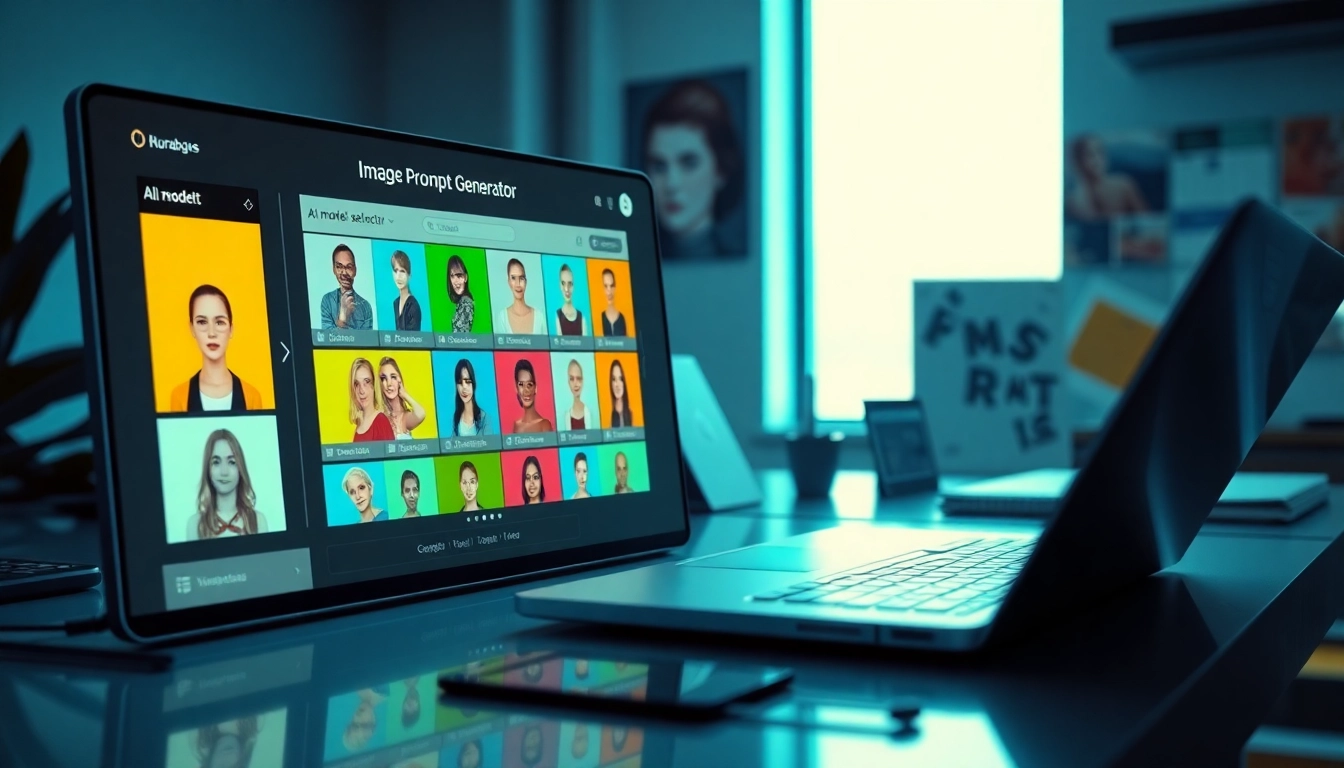
An image to prompt generator is a specialized AI tool designed to analyze various aspects of images, transforming them into structured text prompts. These prompts serve as inputs for various AI image generators, enabling them to recreate or modify visual content based on the details extracted from the uploaded images. By examining components such as subjects, environments, styles, and moods, these tools provide a comprehensive description that helps in converting artistic ideas into reality.
How Does the Image to Prompt Tool Work?
The underlying technology of an image to prompt generator combines computer vision and natural language processing. When a user uploads an image, the tool employs advanced algorithms to identify key visual elements. This process includes evaluating the composition, color schemes, and textual data associated with the image. Once these elements are analyzed, the tool generates a well-structured prompt that can effectively guide AI models like Midjourney, DALL·E, and Stable Diffusion in generating similar images or variations based on the described attributes.
Importance of Image-to-Prompt Conversion for AI
The ability to convert images into text prompts is crucial for several reasons. Firstly, it enhances the accessibility of AI tools for individuals who may not be familiar with crafting complex prompts. By providing a user-friendly interface for converting images into prompts, these generators lower the barrier to entry for artists and creators who want to leverage AI technology. Moreover, the accuracy of the prompts generated often correlates with the quality of the images produced, resulting in more refined and visually appealing outputs.
How to Use the Image to Prompt Generator Effectively
Step-by-Step Guide to Uploading Images
Utilizing an image to prompt generator is straightforward. Follow these simple steps to get started:
- Upload an image: You can drag and drop a file (PNG, JPG, or WEBP up to 4MB) directly onto the platform.
- Select your AI model: Depending on your needs, choose from supported models like Midjourney or Stable Diffusion.
- Click the "Generate Prompt" button: This will initiate the conversion process, allowing the AI to analyze your image.
- Review the generated prompt: The system will provide a descriptive text prompt that captures the essence of your image.
- Refine as needed: You can modify the prompt to better suit your vision before using it in an AI generator.
Refining and Customizing Generated Prompts
Once you receive the generated prompt, it’s essential to ensure it aligns with your artistic vision. Consider the following methods for refinement:
- Eliminate Ambiguities: Remove any vague terms that might confuse the AI model.
- Add Details: Enhance the prompt by including specific attributes like environmental conditions or desired styles.
- Test Variations: Run different versions of the prompt to explore various artistic interpretations.
Best Practices for Effective Use of AI Models
To maximize the potential of AI image generators, adhere to these best practices:
- Study Successful Prompts: Analyze prompts that have produced desired results to understand their structure.
- Experiment with Styles: Don’t hesitate to play with different art styles in your prompts to achieve unique visuals.
- Engage with Community Feedback: Share your experiences with others and learn from their successes and challenges.
Compatibility and Integration with AI Image Generators
Using Image to Prompt with Nano Banana Pro
When combining the image to prompt generator with Nano Banana Pro, users can generate highly specialized prompts that cater to the unique attributes of this model. Ensure you select the appropriate settings that align with Nano Banana Pro's capabilities for optimal results.
Generating Prompts for Midjourney and Stable Diffusion
Both Midjourney and Stable Diffusion thrive on detailed prompts. When using the image to prompt generator, focus on harnessing the nuanced descriptions that can elevate the quality of images produced by these platforms. Consider emphasizing elements like lighting, texture, and mood in the prompts created.
Optimizing Outputs for Google's Gemini AI
Google's Gemini AI requires well-crafted prompts for efficient interpretation. By utilizing the features of the image to prompt generator, users can create prompts that are specifically tailored to the operational parameters of Gemini, thereby enhancing the overall image generation experience.
User Experiences with the Image to Prompt Generator
Real User Testimonials and Feedback
The feedback from users highlights the transformative impact of the image to prompt generator. Many report that it simplifies the ideation process, providing clear and actionable prompts that align closely with their original images. A common theme in testimonials is the generator's ability to create diverse variations of prompts, offering users the flexibility to explore different artistic directions.
Common Challenges and How to Overcome Them
Despite its advantages, users may encounter challenges such as the need for specific stylistic choices or the desire for more personalized prompts. Overcoming these challenges often involves:
- Iterative Refinement: Continuing to tweak generated prompts to better fit specific needs.
- Engaging with Support: Utilizing community forums or customer support for troubleshooting.
- Continuous Learning: Experimenting with new models and feedback from online tutorials and sessions.
Tips for New Users on Making the Most of the Tool
For newcomers to the image to prompt generator, here are actionable tips:
- Start Simple: Begin with straightforward images and gradually progress to more complex scenes.
- Document Your Process: Keep track of successful prompts to reference in future projects.
- Seek Inspiration: Explore other users’ prompts to spark your creativity and discover diverse applications.
Future Trends in AI Image Prompt Generation
Emerging Technologies Enhancing Image-to-Prompt Conversion
The future of image to prompt generation is poised for rapid evolution as machine learning technologies advance. Improvements in neural networks and deep learning will likely lead to even more sophisticated image analysis, resulting in prompts that can capture increasingly subtle nuances of visual content. This evolution fosters a more intimate relationship between creators and AI, facilitating richer artistic expression.
Predictions for AI Artistry and Image Creation in 2026
As we look ahead to 2026, we can anticipate a significant surge in the integration of AI tools in creative processes. With advancements in augmented and virtual reality, AI-generated images will not only become more prevalent but also more immersive, allowing users to explore dynamic environments and interactive artworks that respond to personalized inputs.
Ethical Considerations in AI-Generated Content
As AI-generated content becomes mainstream, ethical considerations will become increasingly vital. Key discussions will likely center around copyright issues, the authenticity of AI-generated art, and the implications of deep fakes. It is essential for users to navigate these aspects responsibly, ensuring that the creative use of AI aligns with societal values and ethical standards.